

Categories
Change Password!
Reset Password!


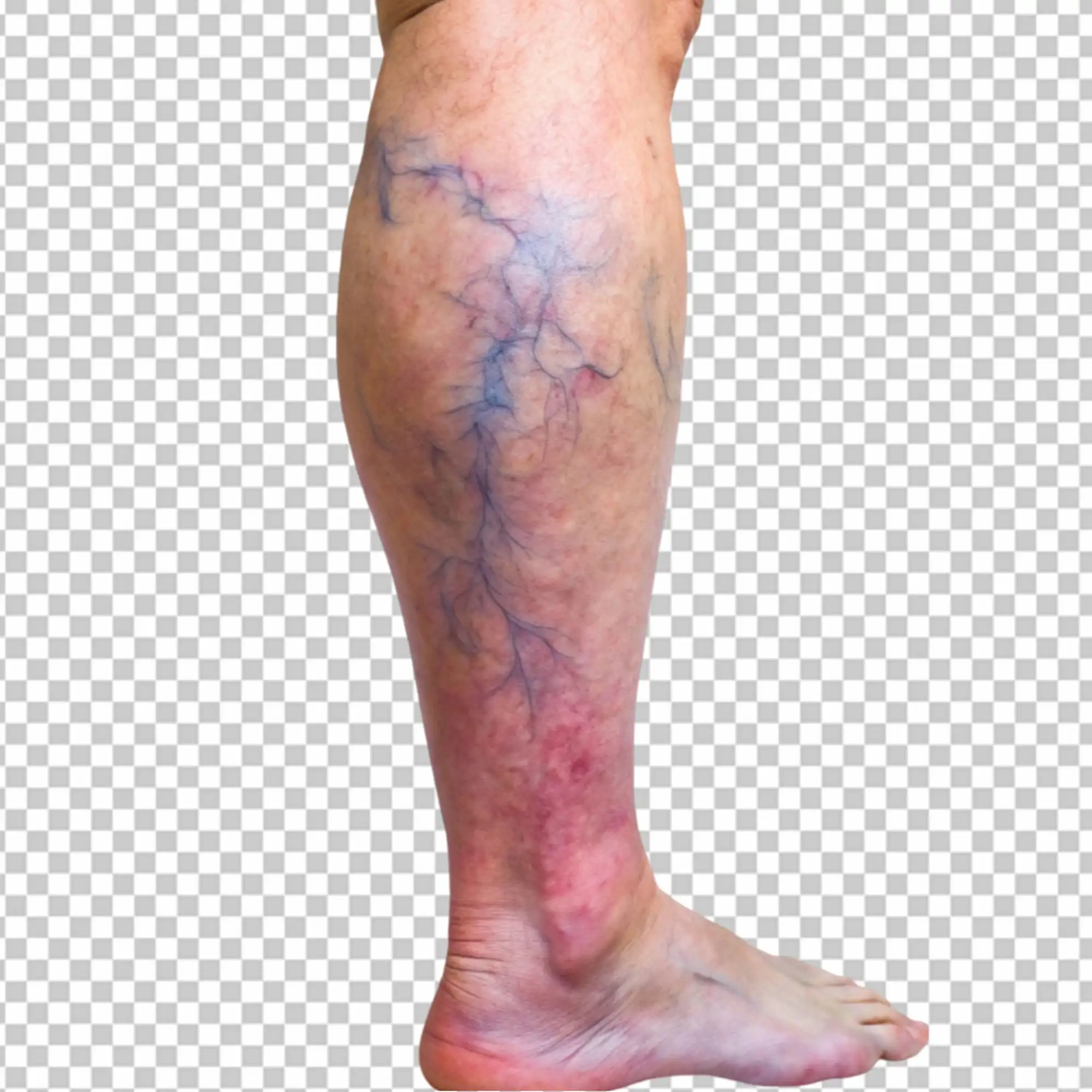
Apixaban shows comparable safety and efficacy to enoxaparin in preventing postoperative VTE after radical cystectomy, with no increase in bleeding risk and the added benefit of a convenient, injection-free regimen.
A new research suggests that apixaban, a direct-acting oral anticoagulant (DOAC), could serve as a safe and effective substitute to enoxaparin for extended prevention of venous thromboembolism (VTE) after radical cystectomy (RC) in bladder cancer-affected people.
RC remains the gold standard for managing muscle-invasive and certain high-risk non-muscle-invasive bladder cancers. While potent against cancer, the surgery carries a notable risk of postoperative VTE—a potentially life-threatening but largely preventable complication. Current guidelines advocate extended prophylaxis with low-molecular-weight heparins like enoxaparin for 28 days post-discharge.
However, oral agents such as apixaban may offer a more convenient option without compromising safety. Hence, this study sought to compare apixaban vs. enoxaparin for thromboprophylaxis after RC. Researchers at a single center conducted an observational before-after analysis of RC cases. Patients were given either enoxaparin or apixaban for 28 days after leaving the hospital. The primary endpoint was VTE occurrence within 30 days post-surgery.
Secondary measures included VTE within 90 days, post-discharge emergency room visits, hospital readmissions, bleeding events, and 90-day mortality. The study included 83 people in the apixaban group and 102 people in the enoxaparin group. Within 30 days, no apixaban-treated patients developed VTE, compared to 2 cases (2%) in the enoxaparin group—a difference that was not statistically significant (p=0.5). No meaningful differences emerged in 90-day VTE rates, survival, emergency room visits, readmissions, or hemorrhagic complications.
To sum up, apixaban performs comparably to enoxaparin in preventing post-surgical blood clots, with no increased bleeding risk, and could be considered a viable, easier-to-administer alternative for extended prophylaxis after RC.
Canadian Urological Association Journal
Comparative analysis of apixaban vs. enoxaparin for thromboprophylaxis after radical cystectomy A single-center, observational, before-after study
Cory S Macklin et al.













Comments (0)