

Categories
Change Password!
Reset Password!


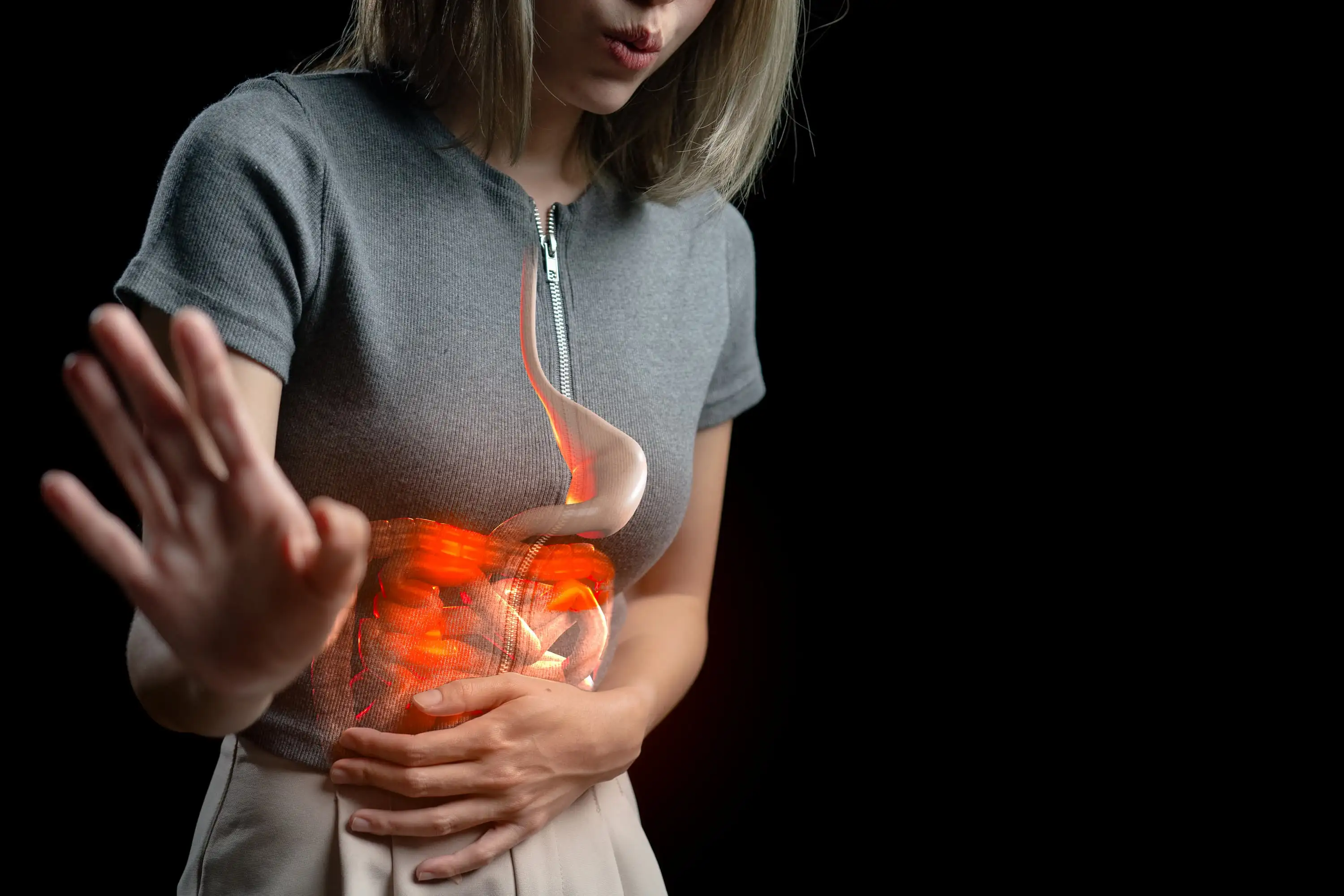
IBS-D patients with depression show increased intestinal permeability, altered PUFA profiles, and elevated inflammation, with depression severity correlating with small intestinal permeability markers and omega-3 PUFA levels.
A study by Michele Linsalata et al. sheds light on the complex connection between depression and gastrointestinal dysfunction in diarrhea-predominant irritable bowel syndrome (IBS-D), revealing potential pathways for novel therapeutic strategies.
Researchers investigated the link between intestinal permeability (often referred to as "leaky gut"), polyunsaturated fatty acid (PUFA) profiles, low-grade inflammation, and depression severity in 43 individuals diagnosed with IBS-D. The cohort consisted of 36 women and 7 men (average age 44.56 years). Participants were stratified into depressed [IBS-D (d+)] and non-depressed [IBS-D(d−)] groups based on the depression subscale of the Symptom Checklist-90-Revised (SCL-90-R).
The results were striking! Those in the depressed group [IBS-D(d+)] exhibited markedly higher small intestinal permeability (s-IP) and distinct abnormalities in PUFA metabolism as opposed to their non-depressed counterparts. Particularly, lower levels of omega-3 PUFAs were linked to heightened intestinal permeability, while a higher omega-6/omega-3 ratio was positively correlated with both intestinal leakiness and depression severity.
In addition to gut barrier dysfunction, IBS-D(d+) patients illustrated elevated markers of gut dysbiosis and increased concentrations of pro-inflammatory cytokines—hallmarks of chronic low-grade inflammation. These findings suggest that disrupted gut-brain communication may underlie the worsening of psychological symptoms in IBS-D. Importantly, the study identifies both s-IP markers and erythrocyte membrane PUFA composition as potential therapeutic targets.
The authors propose that interventions aimed at restoring gut barrier integrity and correcting fatty acid imbalances could assist in mitigating depression symptoms in this high-risk patient group. This research underscores the interconnected nature of the gut and brain, highlighting the importance of a holistic approach in treating IBS-D patients with coexisting mental health ailments.
Journal of Clinical Medicine
Depression in Diarrhea-Predominant IBS Patients: Exploring the Link Between Gut Barrier Dysfunction and Erythrocyte Polyunsaturated Fatty Acid Levels
Michele Linsalata et al.










Comments (0)