

Categories
Change Password!
Reset Password!


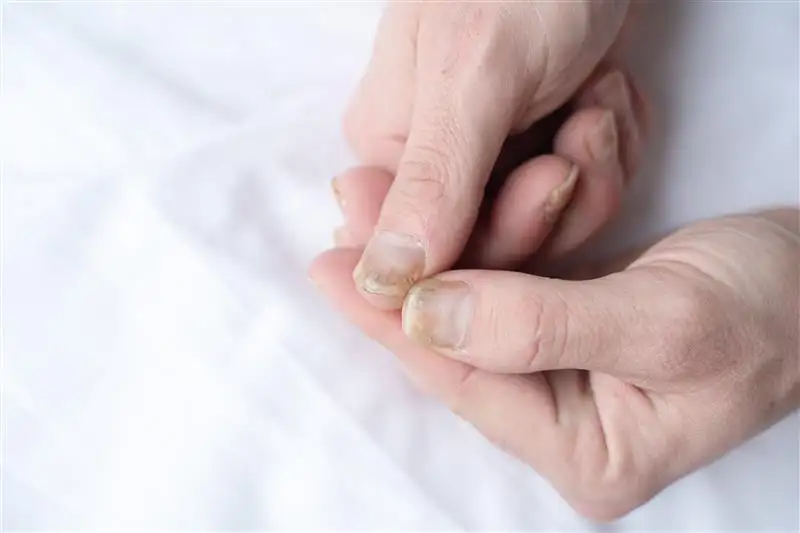
Efinaconazole 10% demonstrates effective, well-tolerated treatment for onychomycosis across pediatric, elderly, and diabetic populations.
Onychomycosis (OM), one of the most common fungal nail infections worldwide, often presents with varying severity among different patient groups, making individualized treatment fundamental. A recent scoping review highlights efinaconazole 10% topical solution as an effective and well-tolerated therapy for OM across diverse populations, including children, elderly individuals, and patients with diabetes.
The review analyzed available literature through a comprehensive search of major scientific databases—PubMed, Embase (Ovid), the Cochrane Central Register of Controlled Trials (CENTRAL), and Web of Science. The aim was to determine the clinical performance of efinaconazole 10% in real-world settings and special populations. Evidence suggested that children and adolescents aged 6 years and older may experience higher treatment success rates as opposed to adults.
Researchers attribute this to biological factors such as thinner nail plates, faster nail growth, and reduced nail trauma, which may boost drug penetration and therapeutic response. In older adults, the treatment response pattern differs slightly. While fungal eradication (mycological cure) can occur earlier, visible nail improvement may take longer. Consequently, clinicians may need to extend treatment beyond the standard 48-week regimen or consider intermittent maintenance therapy to attain full clinical recovery.
The study also addresses the rising challenge of antifungal resistance. Importantly, dermatophytes—including terbinafine-resistant strains—generally remain highly susceptible to efinaconazole, suggesting it could be a valuable alternative when resistance limits other therapies. For diabetes sufferers, early treatment of OM is particularly critical to minimize the risk of complications such as foot ulcers and secondary infections. Encouragingly, efinaconazole 10% illustrated similar potency in diabetic patients regardless of glycemic control, supporting its usage in this high-risk group.
Researchers also evaluated outcomes in historically underserved populations. The findings indicated no prominent difference in treatment effectiveness among Latino/Hispanic patients, although further studies are advocated to better comprehend outcomes across broader demographic groups. Across all populations studied, efinaconazole was well-tolerated, with adverse events primarily restricted to mild application-site reactions and no reported systemic safety concerns.
Clinicians are also advised to screen patients for coexisting tinea pedis, which may raise the chances of recurrence or reinfection. Additionally, patients must be counseled that nail polish may degrade after applying topical antifungal therapy, which could affect treatment adherence. Experts emphasize that incorporating shared decision-making between clinicians and patients may improve adherence, satisfaction, and long-term outcomes.
Journal of Fungi
Treating Onychomycosis with Efinaconazole: Considerations for Diverse Patient Groups
Aditya K Gupta et al.















Comments (0)