

Categories
Change Password!
Reset Password!



Women with PCOS are at heightened risk of psychiatric disorders, potentially due to altered allopregnanolone levels affecting mood regulation.
Polycystic ovarian syndrome (PCOS), a hormonal condition affecting 10–15% of women of reproductive age, may markedly magnify the risk of psychiatric disorders due to its influence on neurosteroid levels—particularly allopregnanolone, according to a new literature review. Long known for its physical symptoms such as irregular periods, acne, and infertility, PCOS is now increasingly being recognized for its psychological toll.
Researchers performing the new review analyzed scientific publications from databases including PubMed, MEDLINE, and the Cochrane Library to locate original research that explored the neuropsychiatric dimensions of PCOS. Articles were included based on their relevance and assessed for quality via the Grades of Recommendation, Assessment, Development, and Evaluation (GRADE) framework.
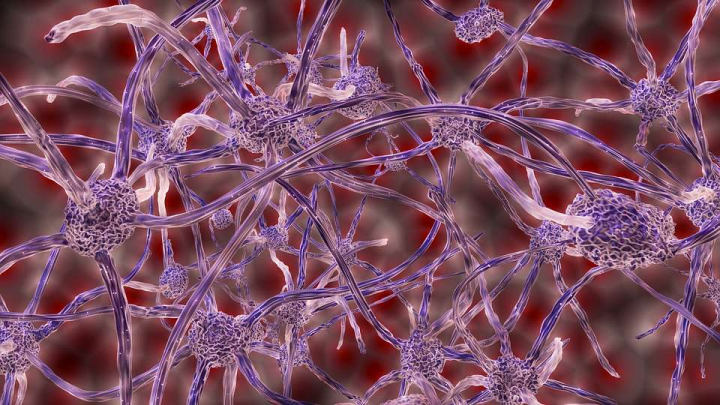
One of the key findings highlighted the role of allopregnanolone, a neurosteroid that modulates GABAA receptors in the brain. Known for its mood-stabilizing properties, this compound is already implicated in conditions such as premenstrual dysphoric disorder and postpartum depression. Evidence suggests that PCOS alters allopregnanolone levels, potentially disrupting the brain's mood regulation systems.
The review underscored a strong and growing body of evidence linking PCOS to psychiatric morbidity. It calls for a paradigm shift in how the condition is diagnosed and treated—urging healthcare providers to integrate routine mental health screening into PCOS care protocols. Future research, they suggest, should prioritize clinical trials exploring the therapeutic role of allopregnanolone and related neurosteroids in relieving psychiatric symptoms among PCOS sufferers.
The Journal of Steroid Biochemistry and Molecular Biology
Allopregnanolone in the pathogenesis of the psychiatric comorbidities of polycystic ovarian syndrome
Karis I Sarkisian et al.












Comments (0)