

Categories
Change Password!
Reset Password!


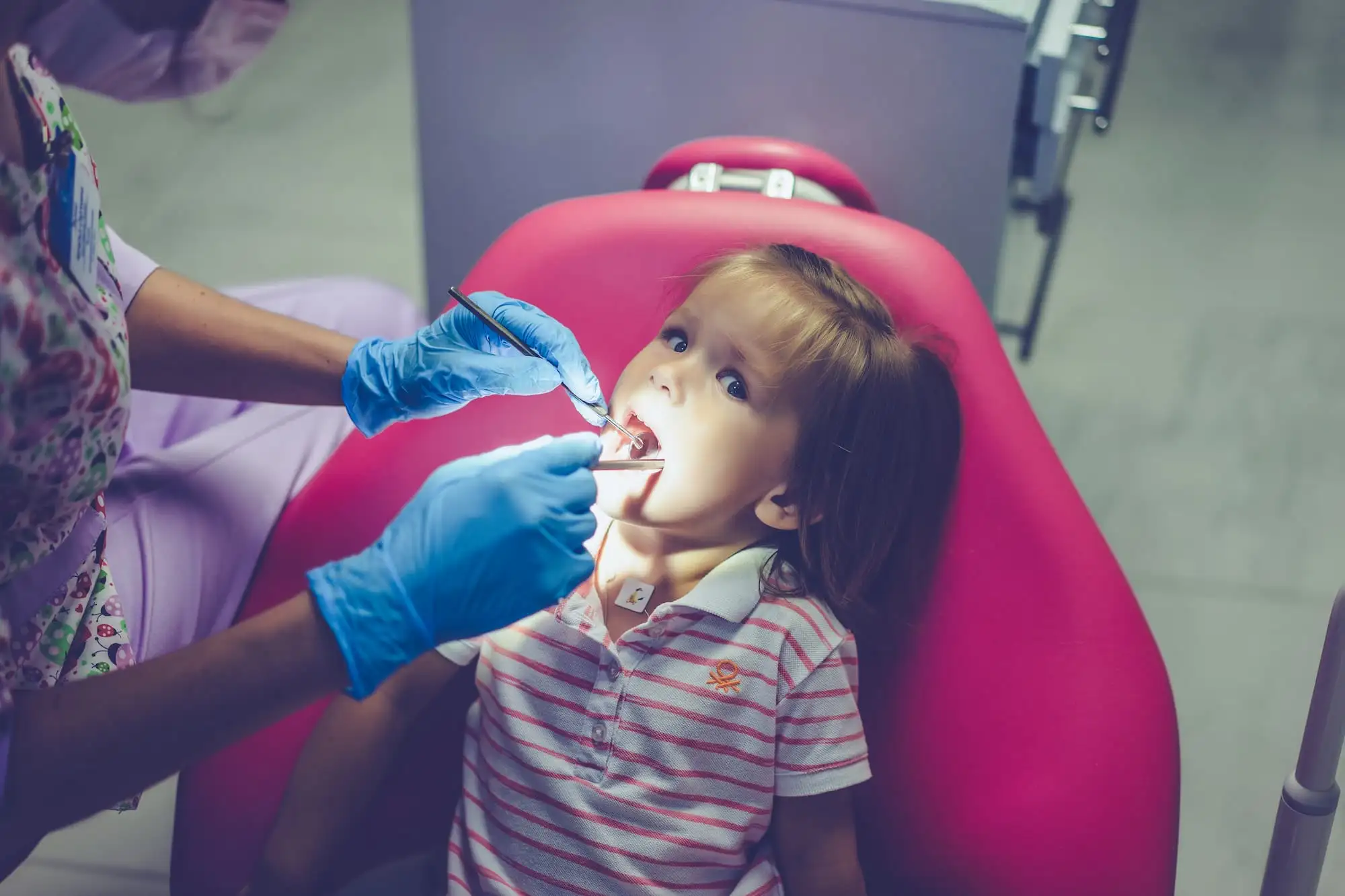
Early pregnancy-initiated dental care dramatically lowers childhood caries risk in Aboriginal children, underscoring how maternal intervention and preventive care can shape lasting oral health outcomes.
Xiangqun Ju and colleagues evaluated the long-term effectiveness of an early childhood caries (ECC) intervention among Aboriginal Australian children over nine years, uncovering critical maternal, behavioral, and early-life risk factors that shape dental caries, a preventable yet persistent health challenge in Indigenous communities. In this randomized controlled trial, 448 pregnant women were randomly assigned to either an immediate intervention (II) or delayed intervention (DI) group.
The II involved:
The DI group received the same protocol, beginning when the child reached 2 years of age. Children were monitored at ages 2, 3, 5, 7, and 9 years to evaluate dental caries using:
Maternal and child factors, including education, income, birth details, diet, and oral hygiene, were analyzed using multivariable log-Poisson regression models. Using inverse-probability-of-censoring weighting (IPCW), robust and unbiased results were ensured. At the 9-year follow-up, data were available for 367 children (II = 180; DI = 187).
Risk factors for increased caries severity encompassed:
This long-term community-based trial demonstrates that starting ECC interventions early—during pregnancy and infancy—markedly minimizes the likelihood of dental caries in Aboriginal kids by age 9. Maternal education emerged as a crucial determinant of children’s oral health, emphasizing the requisition for comprehensive maternal engagement and awareness programs. Moreover, reducing dietary sugar intake and promoting breastfeeding could serve as impactful strategies to curb caries in Indigenous communities. The findings underscore the importance of early, culturally sensitive preventive dental care as part of maternal and child health services.
PLoS One
Early childhood caries intervention in Aboriginal Australian children: Follow-up at child age 9 years
Xiangqun Ju et al.













Comments (0)