

Categories
Change Password!
Reset Password!


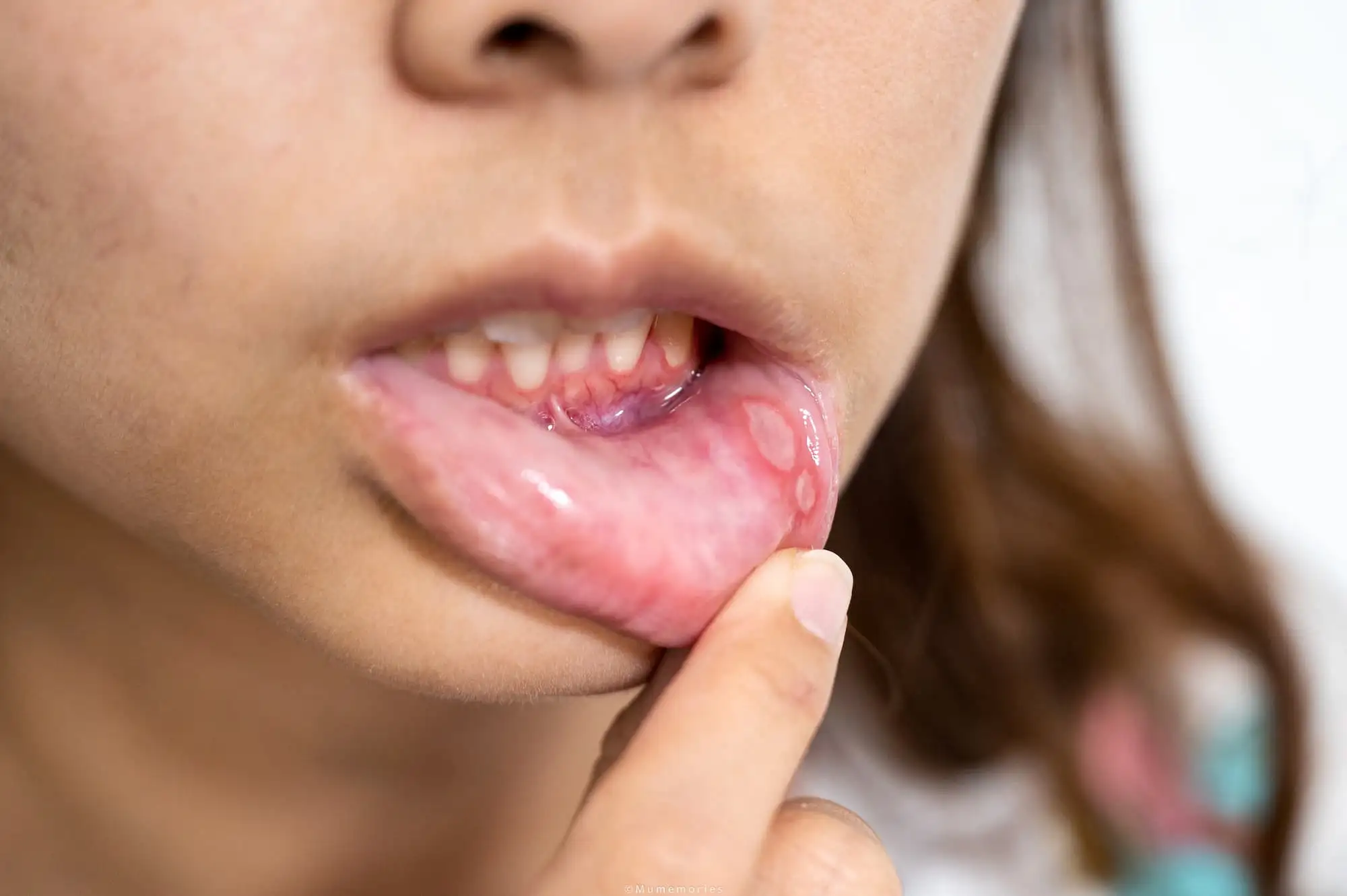
NG11-2 markedly reduces the incidence and duration of severe oral mucositis in head and neck cancer patients receiving radiotherapy, with no serious adverse effects observed.
An experimental oral topical vasoconstrictor solution, NG11-2, has shown encouraging early results in decreasing the severity and duration of radiation-induced oral mucositis (RIOM) in patients undergoing treatment for head and neck cancer (HNC), according to findings from a recent phase Ib dose-escalation trial.
RIOM impacts up to 80% of patients receiving radiation therapy for HNC, and nearly all patients undergoing altered or accelerated fractionation. Despite its prevalence, there are currently no approved pharmaceutical interventions to prevent this debilitating side effect, often necessitating multiple supportive care therapies. To address this unmet clinical need, researchers conducted a Phase Ib "2+4" dose-escalation study to investigate the safety and preliminary efficacy of NG11-2.
The trial enrolled 15 adults with HNC receiving radiotherapy involving at least 30Gy exposure to the oral cavity and/or buccal mucosa, with or without concurrent chemotherapy. Volunteers were allocated to one of four dose cohorts of NG11-2—0.92 mg/mL, 1.83 mg/mL, 3.66 mg/mL, and 5.5 mg/mL. Notably, 2 patients were recruited in each dose group, with an additional 7 patients receiving the highest dose (5.5 mg/mL) in an expansion phase.
Safety was the primary outcome, with secondary outcomes assessing the incidence, onset, and duration of severe RIOM (Grade ≥3) based on World Health Organization (WHO), Radiation Therapy Oncology Group (RTOG), and National Cancer Institute-Common Terminology Criteria (NCI-CTCAE) v5 criteria. Patient-reported outcome measures were also collected. The therapy was well-tolerated across all dose levels. No dose-limiting toxicities or severe adverse reactions were noted.
Importantly, those in the highest dose cohort (5.5 mg/mL) experienced a marked reduction in the duration and incidence of severe RIOM:
This contrasts sharply with outcomes in the lowest dose cohort (0.92 mg/mL), where the incidence of severe RIOM reached 100%, with duration ranging from 18 to 46 days across all three grading systems. Thus, NG11-2 is safe and well-tolerated, with promising preliminary potency in alleviating RIOM's burden. These findings support NG11-2 advancement into larger-scale clinical trials to confirm its preventive potential in this vulnerable patient population.
NG11-2 may shield cancer patients from radiation-induced oral mucositis
NG11-2 phase-Ib trial to prevent/reduce severe oral mucositis induced by radiotherapy
Lei M et al.













Comments (0)