

Categories
Change Password!
Reset Password!


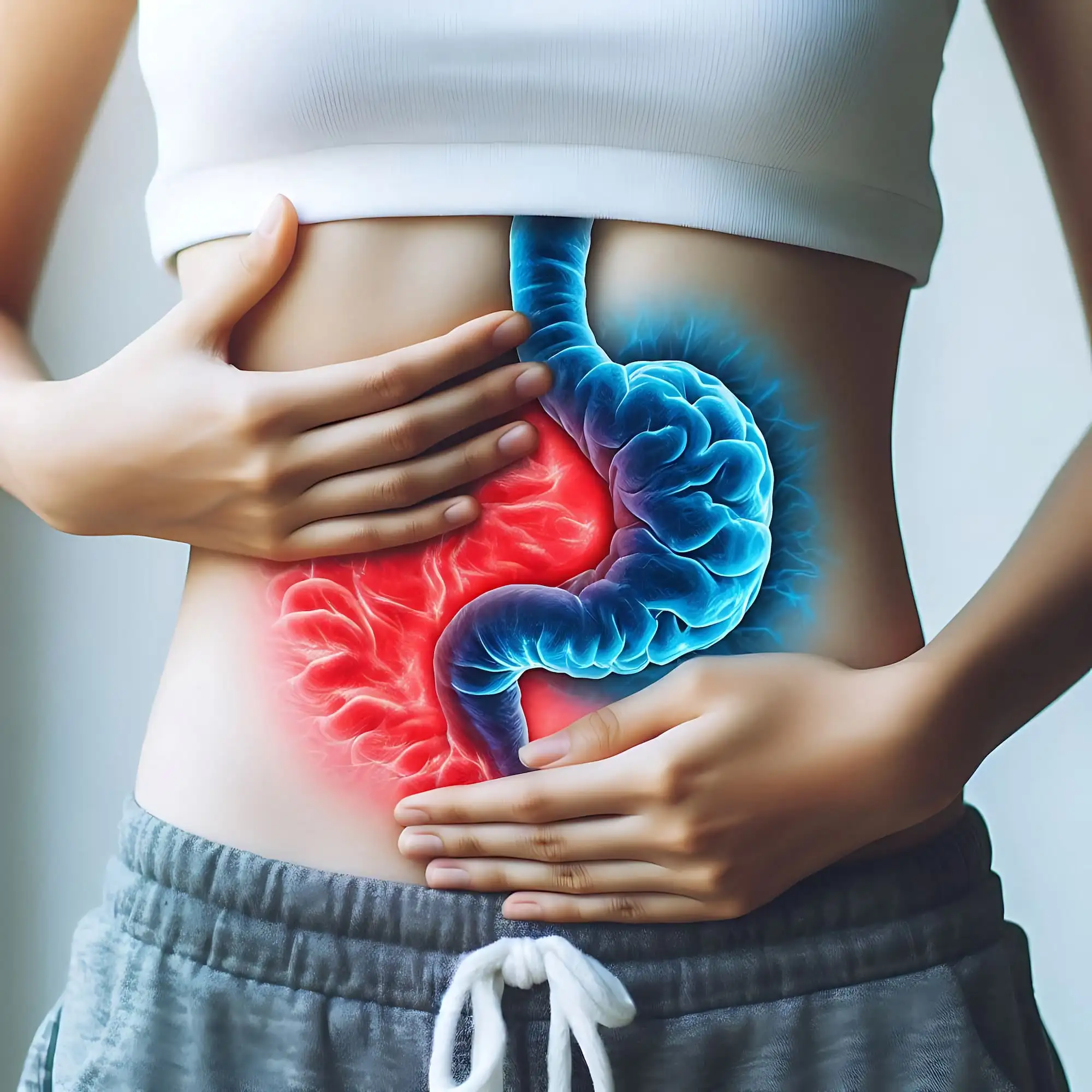
P-CABs offer equal or superior efficacy to PPIs in GERD management, while adjunctive mucosal protective agents and on-demand PPI strategies offer comparable outcomes, supporting more individualized treatment approaches.
Proton pump inhibitors (PPIs) have long been the go-to therapy for gastroesophageal reflux disease (GERD), but a new systematic review suggests that the treatment landscape is expanding with promising alternatives.
Saba Ahmed and other researchers performed an extensive search across PubMed, Embase, Scopus, and the Cochrane Central Register of Controlled Trials (CENTRAL), identifying 877 studies. After screening, 5 randomized controlled trials (RCTs) met the inclusion criteria for analysis. The review assessed the performance of novel potassium-competitive acid blockers (P-CABs) — including vonoprazan, fexuprazan, and tegoprazan — alongside mucosal protective agents and different PPI administration regimens (on-demand vs. continuous use).
Findings revealed that P-CABs are at least as effective as PPIs — and in some cases superior — in both symptom relief and mucosal healing. Tegoprazan exhibited quicker symptom improvement, while long-term vonoprazan use was linked to higher gastrin levels and histological changes, though no cancerous outcomes were reported. Importantly, combining mucosal protective agents with PPIs boosted both symptom control and histological remission, suggesting an added layer of benefit. Interestingly, on-demand PPI therapy yielded outcomes similar to continuous daily dosing.
This opens the door for decreasing drug exposure in certain patients without compromising treatment effectiveness. Taken together, the findings highlight a shift away from a one-size-fits-all approach to GERD care. By incorporating P-CABs, adjunctive agents, and flexible dosing strategies, clinicians may be able to offer patients more better long-term management options.
Cureus
Comparing Proton Pump Inhibitors and Emerging Acid-Suppressive Therapies in Gastroesophageal Reflux Disease: A Systematic Review
Saba Ahmed et al.











Comments (0)