

Categories
Change Password!
Reset Password!



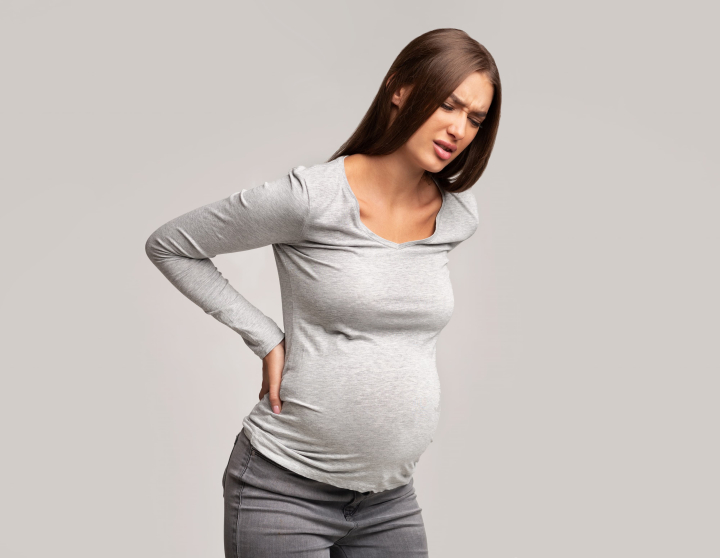
People with non-specific low back pain may experience functional gains and pain relief from isostretching.
According to the findings of a systematic review, isostretching, a physical therapy technique blending stretching and posture control, may offer short-term relief from pain and boost physical function in adults suffering from non-specific low back pain (LBP).
Researchers carried out a comprehensive literature search across 10 major databases, including PubMed, Embase, Cochrane CENTRAL, and Web of Science. Following PRISMA guidelines, they systematically reviewed randomized clinical trials (RCTs) comparing isostretching to any control intervention in adults with non-specific LBP. In total, 5 trials, involving a total of 155 volunteers (76% female) aged between 19 and 60 years, met the inclusion criteria.
The methodological quality of these studies, as measured by the PEDro scale, ranged from 2 to 8 (average score: 5.6), indicating overall low to moderate study quality. As per the outcomes of the study, isostretching may mitigate pain and enhance functional ability in the short term compared to no treatment. However, when compared to other active treatments (e.g., exercise or physical therapy), isostretching showed no clear advantage in ameliorating pain or improving quality of life. The evidence was classified as very low quality, using the GRADE framework.
Intervention reporting was moderately detailed, with a mean TIDier checklist score of 6.4 out of a possible 12 items. While this review offers preliminary support for isostretching as a potentially beneficial practice for short-term pain relief and improved function in individuals diagnosed with non-specific LBP, the authors stress that the evidence is currently insufficient to draw strong conclusions. High-quality, large-scale trials are warranted to better comprehend its role in routine care for LBP.
Musculoskeletal Care
Effectiveness of Isostretching on Pain and Disability in Individuals Diagnosed With Low Back Pain: A Systematic Review of Randomized Clinical Trials
José Renato Costa da Silva et al.













Comments (0)