

Categories
Change Password!
Reset Password!


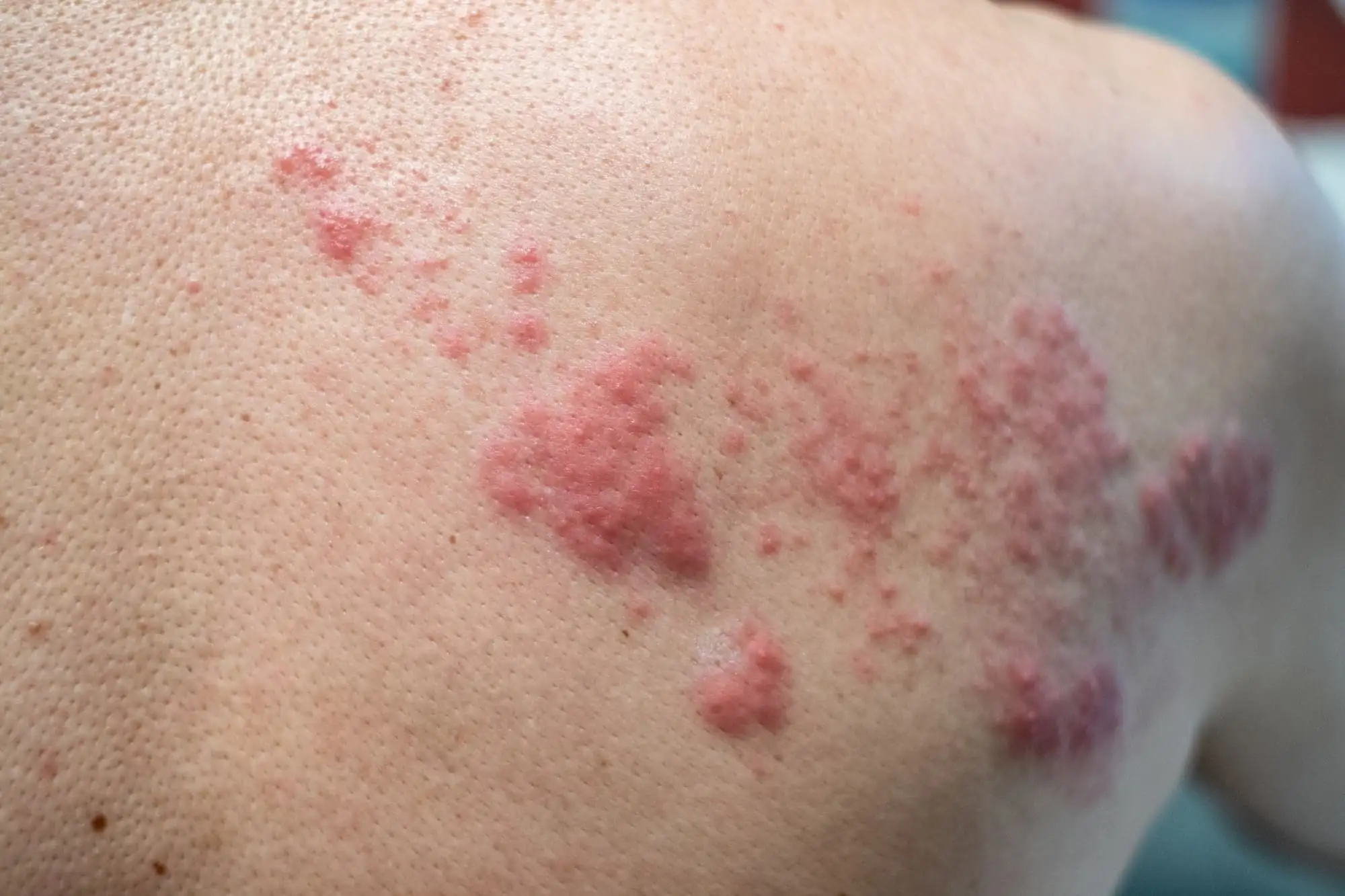
Multiple social, therapeutic, and healthcare-related factors contribute to poor treatment adherence in CSU, highlighting the need for patient-centered, multifaceted adherence strategies.
Chronic spontaneous urticaria (CSU) is a long-standing skin condition marked by recurrent hives and angioedema without a known cause, often disrupting daily life and overall well-being. Although biologic therapies such as omalizumab have advanced disease management, maintaining consistent adherence remains a critical obstacle that hinders lasting symptom relief. This systematic review aimed to comprehensively assess existing research on treatment adherence in CSU and outline evidence-based approaches to improve long-term management and patient outcomes.
A comprehensive PubMed and EMBASE search (2000–2024) using terms related to “chronic spontaneous urticaria” and “adherence” identified original studies on factors influencing treatment compliance. Each was categorized under World Health Organization (WHO) adherence dimensions—social/economic, healthcare system, condition-related, therapy-related, and patient-related. Risk of bias was checked via Preferred Reporting Items for Systematic reviews and Meta-Analyses (PRISMA) standards.
A review of 21 studies involving 18,500 patients examined treatment adherence in CSU. Common barriers included limited preventive medication use, forgetfulness, inconvenience, dissatisfaction with providers, and poor access to in-clinic biologic therapy. Patients previously on immunosuppressants exhibited reduced omalizumab response, leading to dropouts from perceived inefficacy. The COVID-19 pandemic further disrupted adherence by limiting clinic access.
Better adherence was linked to advanced education and employment.
Recommended solutions included simpler regimens, improved patient education, telehealth or home-based care, and stronger financial or social support. The analysis found that treatment nonadherence in CSU stemmed from a web of overlapping barriers, highlighting the urgent need for holistic, patient-focused care. Strengthening communication, streamlining treatment plans, and ensuring access to supportive resources proved vital in boosting adherence and driving sustained clinical improvement.
Clinical Reviews in Allergy & Immunology
Factors Influencing Treatment Adherence in Chronic Spontaneous Urticaria: A Systematic Review
Aditya Joshi et al.














Comments (0)