

Categories
Change Password!
Reset Password!


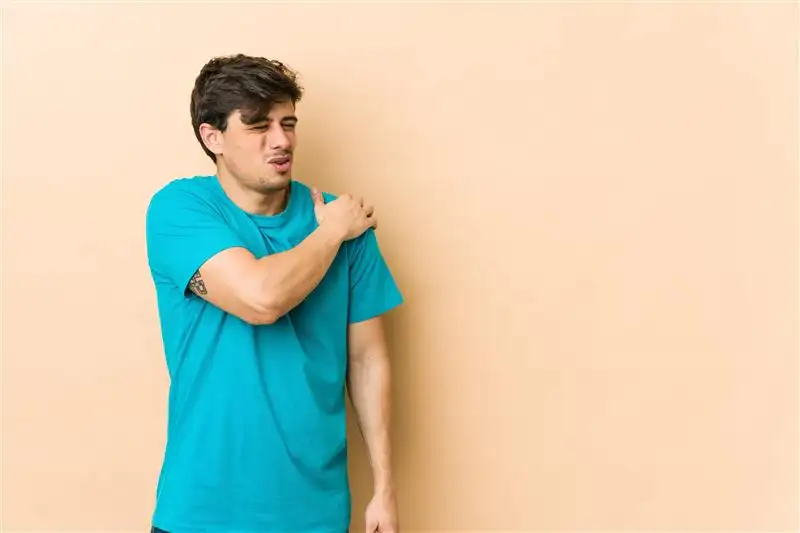
Rotator cuff-related pain syndrome is one of the leading causes of chronic shoulder pain and functional limitation worldwide.
A 6-week scapular-focused rehabilitation improves pain relief, shoulder function, and scapular neuromuscular control in rotator cuff-related pain syndrome, with EMG biofeedback providing additional neuromuscular benefits.
Rotator cuff-related pain syndrome is one of the leading causes of chronic shoulder pain and functional limitation worldwide. However, optimal physiotherapy strategies for tackling shoulder impingement and rotator cuff dysfunction remain debated. This randomized clinical trial investigated whether a targeted scapular-focused exercise program—performed with or without real-time electromyographic (EMG) biofeedback —yields superior short-term outcomes compared with standard control therapy.
In total, 60 patients with clinically diagnosed rotator cuff-related shoulder pain were randomly allocated into three equal groups (n = 20 per group):
Volunteers were evaluated at baseline and after 6 weeks using validated clinical and biomechanical outcome measures, including:
All three groups demonstrated remarkable improvements in shoulder pain reduction, functional disability scores, SSNC, SSAO, dynamic scapular positioning, range of motion, and GMS. However, the scapular-focused program + EMG biofeedback produced greater improvements in pain relief, functional recovery, SSNC, and dynamic scapular alignment compared with conventional therapy. Additionally, EMG-assisted training enhanced neuromuscular control more successfully than exercise alone. Importantly, the scapular-focused exercise protocol without biofeedback also outperformed control therapy in reducing pain and improving shoulder function and scapular mechanics.
A structured scapular-focused exercise protocol proved to be an effective, evidence-based physiotherapy intervention for rotator cuff-related pain syndrome. Incorporating EMG biofeedback may provide additional neuromuscular advantages, but core improvements in pain relief, shoulder function, and biomechanics are driven by targeted scapular rehabilitation.
Journal of Functional Morphology and Kinesiology
Effects of a Scapular-Focused Exercise Protocol for Patients with Rotator Cuff-Related Pain Syndrome—A Randomized Clinical Trial
Cristina dos Santos et al.










Comments (0)