

Змінити пароль!
Скинути пароль!


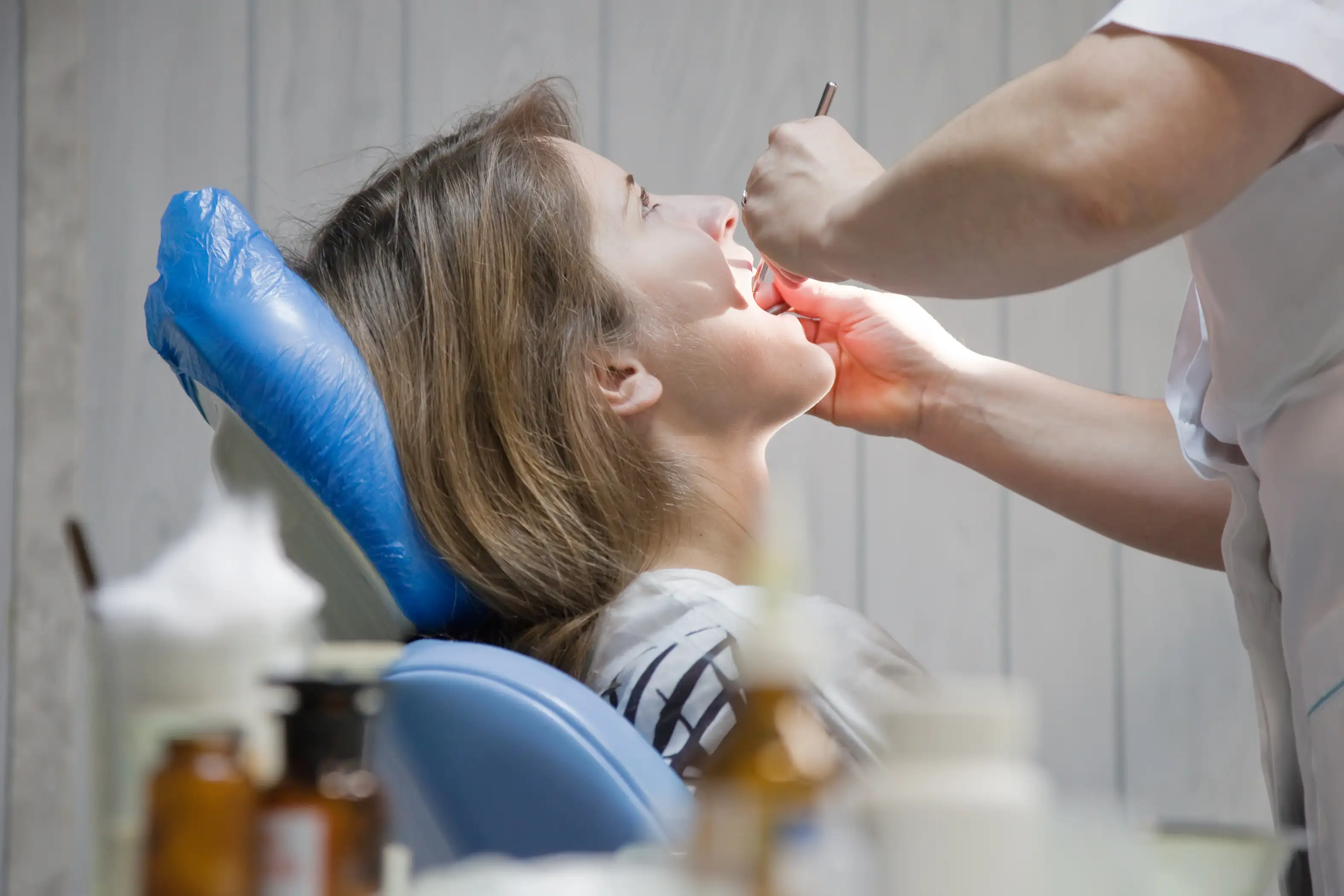
Підвищені рівні запальних маркерів, матриксних металопротеїназ і маркерів окисного стресу відіграють центральну роль у діагностиці дисфункції СНЩС та визначенні індивідуалізованої стратегії лікування.
Новий систематичний огляд виявив, що певні біомаркери в крові, слині та синовіальній рідині скронево-нижньощелепного суглоба (СНЩС) може відігравати ключову роль у діагностиці та лікуванні дисфункції СНЩС — стану, що супроводжується болем в щелепі та суттєво впливає на якість життя.
Дослідження проаналізувало 46 наукових статей із баз даних PubMed, Scopus и Web of Science стосовно як обсерваційних досліджень, так і рандомізованих контрольованих досліджень. Джоана Марія Соарес (Joana Maria Soares) та інші дослідники проаналізували біомаркери крові, синовіальної рідини, слини та в тканинах. Якість досліджень оцінювали за допомогою інструменту Cochrane Risk of Bias. 3 рандомізовані дослідження та більшість обсерваційних досліджень мали «невелику кількість проблем», пов'язаних із похибкою.
В Огляд визначив кілька ключових біомаркерів, пов'язаних із дисфункцією СНЩС. Підвищені рівні запальних маркерів — інтерлейкінів 1ß і 6, простагландину E2 та фактора некрозу пухлини альфа (TNF-α) — послідовно були пов'язані із запаленням СНЩС. Підвищений рівень матриксних металопротеїназ (ММП-2, ММП-7, ММП-9) свідчив про погіршення стану хряща, тоді як маркери оксидативного стресу, такі як малоновий діальдегід, були підвищені у пацієнтів із дисфункцією СНЩС порівняно зі здоровими пацієнтами.
Важливо, що такі втручання, як ін'єкції гіалуроновової кислоти, терапія плазмою, багатою на тромбоцити, та низькоінтенсивну лазерну терапію, вели до зниження рівнів запальних біомаркерів і позитивних клінічних результатів – доброго знеболення та покращення функції щелепи. Ці результати свідчать, що моніторинг рівня біомаркерів допомагає лікарям адаптувати терапію до індивідуальних потреб пацієнта, та вибрати більш точні та персоналізовані підходи до лікування. Таким чином, специфічні біомаркери не лише пояснюють основні механізми дисфункції СНЩС, а й дають можливість удосконалювати діагностичні і терапевтичні підходи до дисфункції СНЩС.
International Journal of Molecular Sciences
The Role of Biomarkers in Temporomandibular Disorders: A Systematic Review
Joana Maria Soares та ін.
















Коментарі (0)