

Змінити пароль!
Скинути пароль!


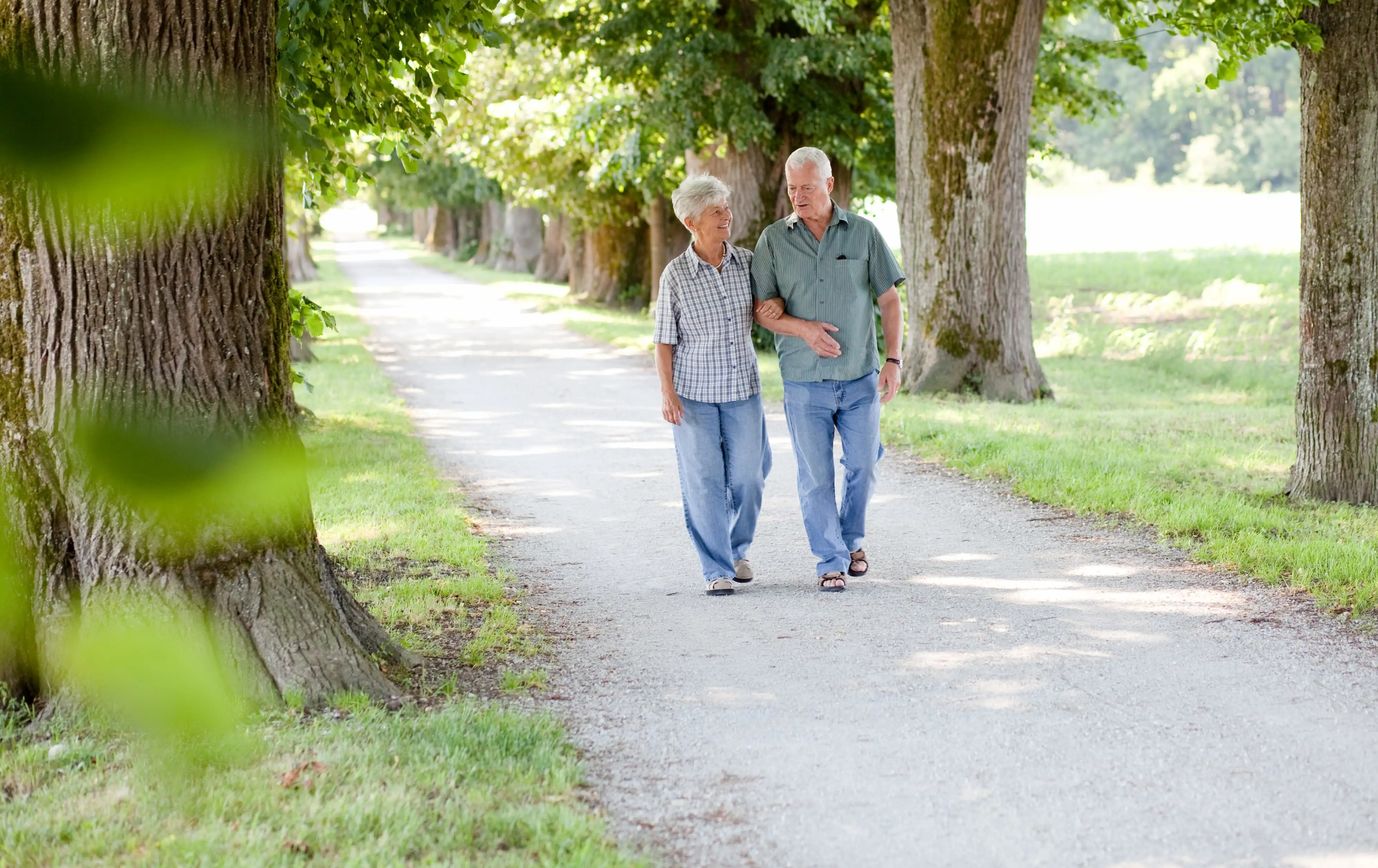
Вища кардіорреспіраторна витривалість пов'язана з більшою міцністю кісток у старших чоловіків, особливо великогомілкової та променевої кісток, тоді як у старших жінок ця асоціація не спостерігається.
Дослідження, опубліковане в журналі Osteoporosis International, показало, що літні чоловіки з вищою кардіорреспіраторною витривалістю мають вищу міцність кісток, що відкриває нові шляхи для профілактики вікових переломів. Однак у жінок цього не спостерігали, що свідчить про потенційні гендерні відмінності у впливі фізичної форми на здоров'я кісток.
У дане Дослідження м'язів, мобільності та старіння (SOMMA, Study of Muscle, Mobility and Aging), включили 123 чоловіка (середній вік 76,2 ± 4,4 роки) та 188 жінок (середній вік 76,1 ± 4,7 роки). Дослідники застосували кардіопульмональний стрес-тест на біговій доріжці (модифікований протокол Балке), щоб визначити абсолютний пік споживання кисню (VO₂peak) і провели сканування кісток приблизно через 1,2 ± 0,1 року за допомогою високороздільної периферійної кількісної комп'ютерної томографії (HR-pQCT) променевої і великогомілкової кісток, а також подвійно-енергетичну рентгенівську абсорбціометрію (DXA) для вимірювання мінеральної щільності кістки (МЩК) у кульшовому суглобі.
У чоловіків кожне збільшення пікового споживання кисню на одне стандартне відхилення було тісно пов'язане з:
З іншого боку, у жінок не було виявлено значущих зв'язків між піковим споживанням кисню та параметрами кісткової тканини (включно з МЩК, мікроархітектурою чи міцністю). Статистичні моделі були стратифіковані за статтю та кориговані з урахуванням різних змінних, включно з віком, расою, масою тіла, вживанням алкоголю, курінням, фізичною активністю (виміряною зап'ястним акселерометром), індексом мультиморбідності, наявністю артриту, гіпертонією, а також довжиною кінцівок або зростом, залежно від оціненого параметра кістки.
Незважаючи на використання сучасних наукових технологій, таких як HR-pQCT, і золотого стандарту для вимірювання пікового споживання кисню, дослідження не виявило зв'язку між кардіореспіраторною витривалістю та мінеральною щільністю стегнової кістки за DXA чи іншими мікроархітектурними показниками кісткової тканини. З покращенням фізичної форми у чоловіків зростало лише навантаження, потенційно руйнівне для кісток.
Результати підкреслили специфічний зв'язок між фізичною підготовкою та міцністю кісток, що свідчить про те, що вище пікове споживання кисню може сприяти збереженню міцності кісток у старших чоловіків. Результати потребують подальшого вивчення біологічних механізмів, що лежать в основі цих статевих відмінностей, і свідчать, що фізичні вправи, спрямовані на покращення кардіорреспіраторної форми, потенційно сприяють здоров'ю кісток і запобіганню переломам у літніх чоловіків.
Osteoporosis International
Association of cardiorespiratory fitness with HR-pQCT bone parameters in older adults: the Study of Muscle, Mobility and Aging (SOMMA)
Nina Z Heilmann та ін.












Коментарі (0)