

Змінити пароль!
Скинути пароль!


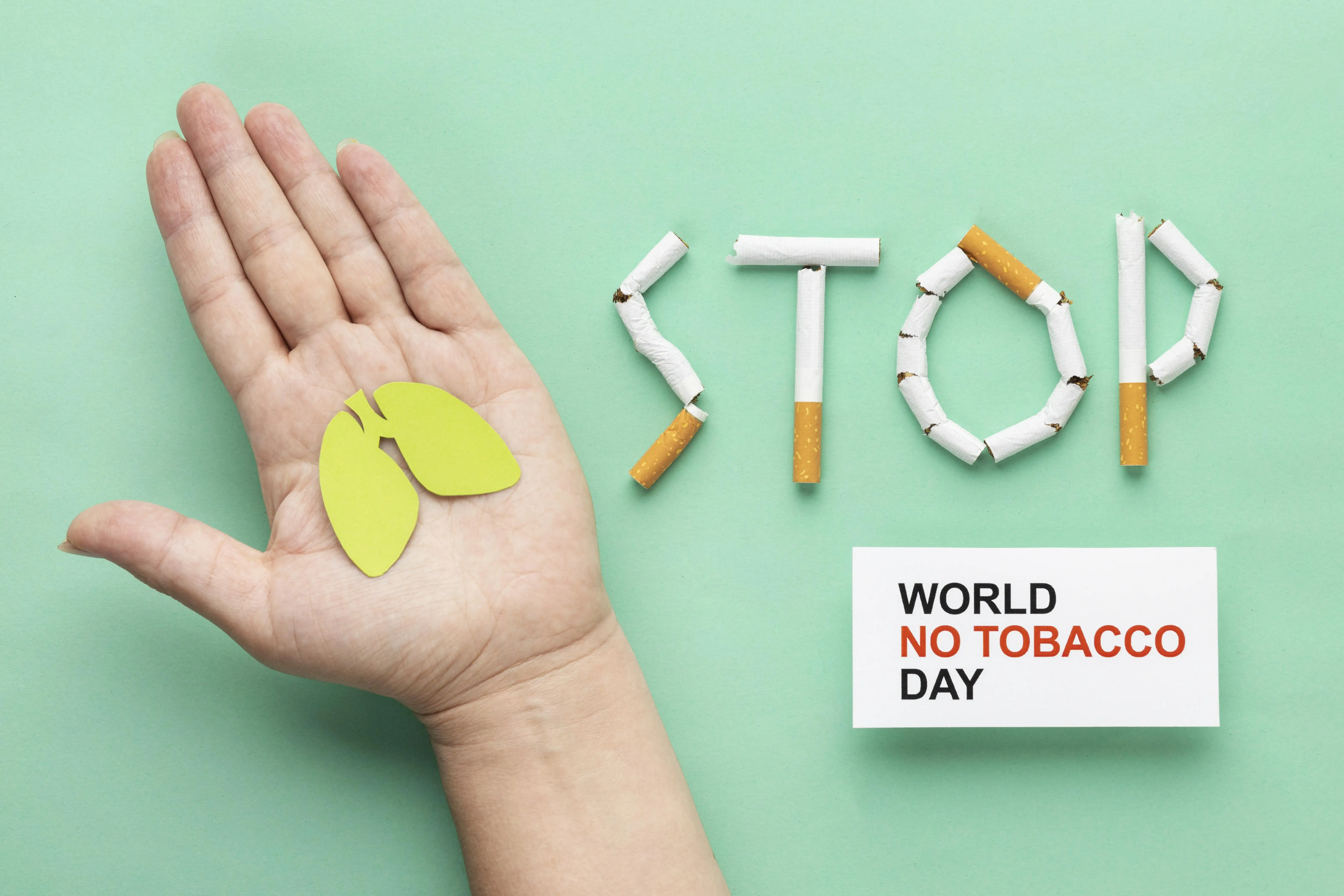
У курців, яким не вдалося кинути курити з першої спроби, збільшення дози варенікліну або комбінованої нікотинозамісної терапії (КНЗТ), а також перехід з КНЗТна вареніклін, значно підвищують рівень відмови від куріння при короткостроковій оцінці через 6 місяців.
У більшості курців не виходить кинути курити з першої спроби, але нещодавнє дослідження, опубліковане в журналі JAMA, виявило ефективні стратегії для тих, хто не може кинути палити з першого разу. Це рандомізоване клінічне дослідження, проведене в Техаській клініці лікування тютюнової залежності, включило 490 дорослих курців (210 жінок, 287 неіспаномовних білих, середній вік 48,1 року), які курили в середньому 20 сигарет на день.
Учасників спочатку лікували або варенікліном, рецептурним препаратом для відмови від куріння, або комбінованою нікотиновозамісною терапією (КНЗТ), що складалася з нікотинового пластиру (21 мг нікотину) і пастилок (2 мг). Пацієнтів, які не кинули курити до 6-го тижня, повторно рандомізували для продовження тієї ж схеми, переходу на інше лікування або збільшення дози препарату протягом наступних 6 тижнів. Усі учасники отримували щотижневі короткі консультації протягом усього дослідження.
(a) Результати учасників, які отримали КНЗТ:
(b) Результати учасників, які отримували вареніклін:
(c) 6-місячна безперервна відмова від куріння:
Підсумовуючи, індивідуальне коригування схеми лікування для курців, які не кинули курити після 6 тижнів терапії, підвищує шанси на успіх. Пацієнти, які спочатку лікувалися КНЗТ, виграють від збільшення дози або переходу на вареніклін, тоді як для пацієнтів, які приймають вареніклін, найбільша користь — це збільшення дози, а не зміна терапії. Ці результати дають чіткі рекомендації для клініцистів, які шукають ефективні стратегії «порятунку» для пацієнтів, які мають труднощі з відмовою від куріння.
JAMA
Smoking Cessation After Initial Treatment Failure With Varenicline or Nicotine Replacement: A Randomized Clinical Trial
Paul M Cinciripini та ін.














Коментарі (0)