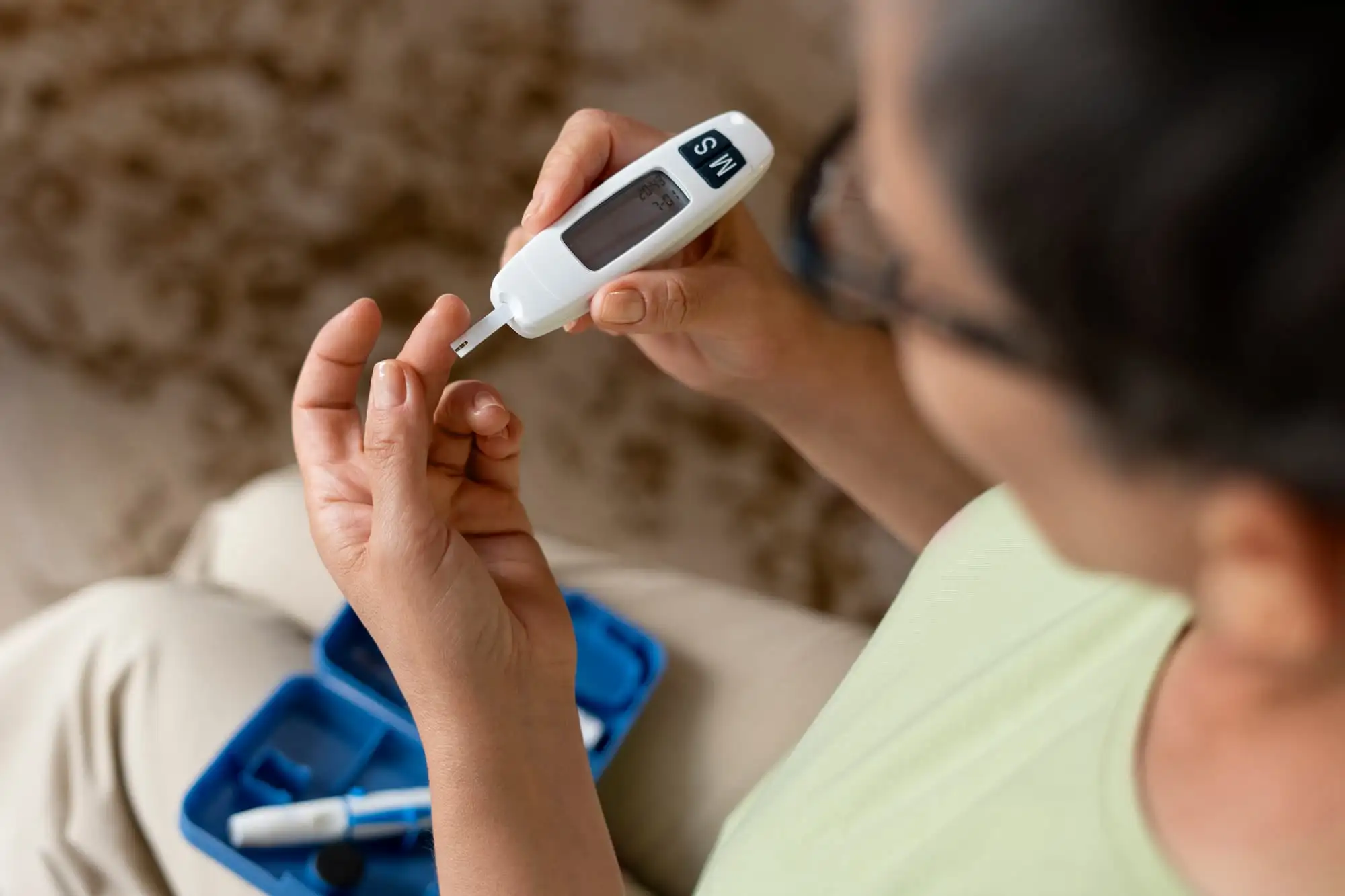
A multidisciplinary panel of 85 endocrinologists and diabetologists from across India has released a landmark consensus on simplified glycemic management for type 2 diabetes mellitus, published in the "Cureus"Journal. The goal is to enable clinicians to simplify therapy while maintaining efficacy—especially in cases complicated by comorbid conditions such as hypertension, chronic kidney disease (CKD), obesity, and cardiovascular (CV) disease.
1. Lifestyle and Non-Pharmacologic Care
- Initiate management with medical nutrition therapy emphasizing high-fiber, low-glycemic foods, lean proteins, and limited refined sugars and saturated fats.
- Foster at least 150 minutes of moderate aerobic activity weekly and regular muscle-strengthening exercises.
- Maintain 7–8 hours of nightly sleep with consistent timing to support metabolic stability.
- Avoid late-night meals, smoking, and alcohol; promote individualized dietary counseling.
2. Pharmacologic Recommendations
(a) Metformin as First Line
- Begin metformin when glycated hemoglobin (HbA1c) >6.5% despite lifestyle measures.
- Continue if tolerated; reduce dose for estimated glomerular filtration rate (eGFR) 30–45 mL/min/1.73 m² and discontinue if <30.
- Preferred for its CV safety and cost-effectiveness.
(b) Early Combination Therapy
- Start dual therapy for HbA1c ≥8% or when monotherapy fails.
- Combine sodium-glucose cotransporter-2 (SGLT-2) inhibitors or dipeptidyl peptidase-4 (DPP-4) inhibitors with metformin to achieve faster glycemic control and added renal–cardiac benefits.
- For metformin-intolerant patients, an SGLT-2 + DPP-4 inhibitor combination may be used as first-line.
- If targets remain unmet after three months, escalate to triple therapy—for example, dapagliflozin 10 mg + sitagliptin 100 mg + metformin 1000 mg.
- Prefer fixed-dose combinations (FDCs) to minimize pill burden and improve adherence.
3. Management With Comorbidities
(a) Hypertension
- Combine lifestyle changes with angiotensin-converting enzyme (ACE) inhibitors or angiotensin II receptor blockers (ARBs).
- Add SGLT-2 inhibitors to improve both blood pressure and glucose control.
(b) CV Disease
- Prioritize SGLT-2 inhibitors and glucagon-like peptide-1 (GLP-1) receptor agonists with proven CV benefit.
- Continue metformin where possible; if HbA1c remains high, use both SGLT-2 and GLP-1 agents.
- DPP-4 inhibitors may be added for safe glycemic control due to their neutral CV profile.
(c) CKD
- Regularly monitor eGFR and adjust drugs accordingly.
- Use SGLT-2 inhibitors when eGFR > 20 mL/min/1.73 m², or GLP-1 receptor agonists if further glycemic control is needed.
- Combine with ACEIs/ARBs to slow CKD progression.
(d) Obesity and Dyslipidemia
- Favor GLP-1 receptor agonists and SGLT-2 inhibitors for dual glucose and weight reduction benefits.
- Prescribe statins for all patients with dyslipidemia and additional CV risk factors.
- DPP-4 inhibitors remain weight-neutral options for those unable to tolerate other agents.
4. Core Strategy: Simplify, Combine, Individualize
The consensus emphasizes early, sustained combination therapy, FDC use, and individualized regimens based on comorbidities, affordability, and patient preferences. Regular follow-up, lifestyle reinforcement, and psychosocial support are integral to success.
To sum up, the panel recommends moving beyond complex, fragmented diabetes care towards a streamlined model that merges lifestyle discipline, evidence-based pharmacology, and pragmatic cost-sensitive solutions. By implementing these recommendations, clinicians can improve adherence, minimize complications, and deliver holistic diabetes control.
Comments (0)