

Змінити пароль!
Скинути пароль!


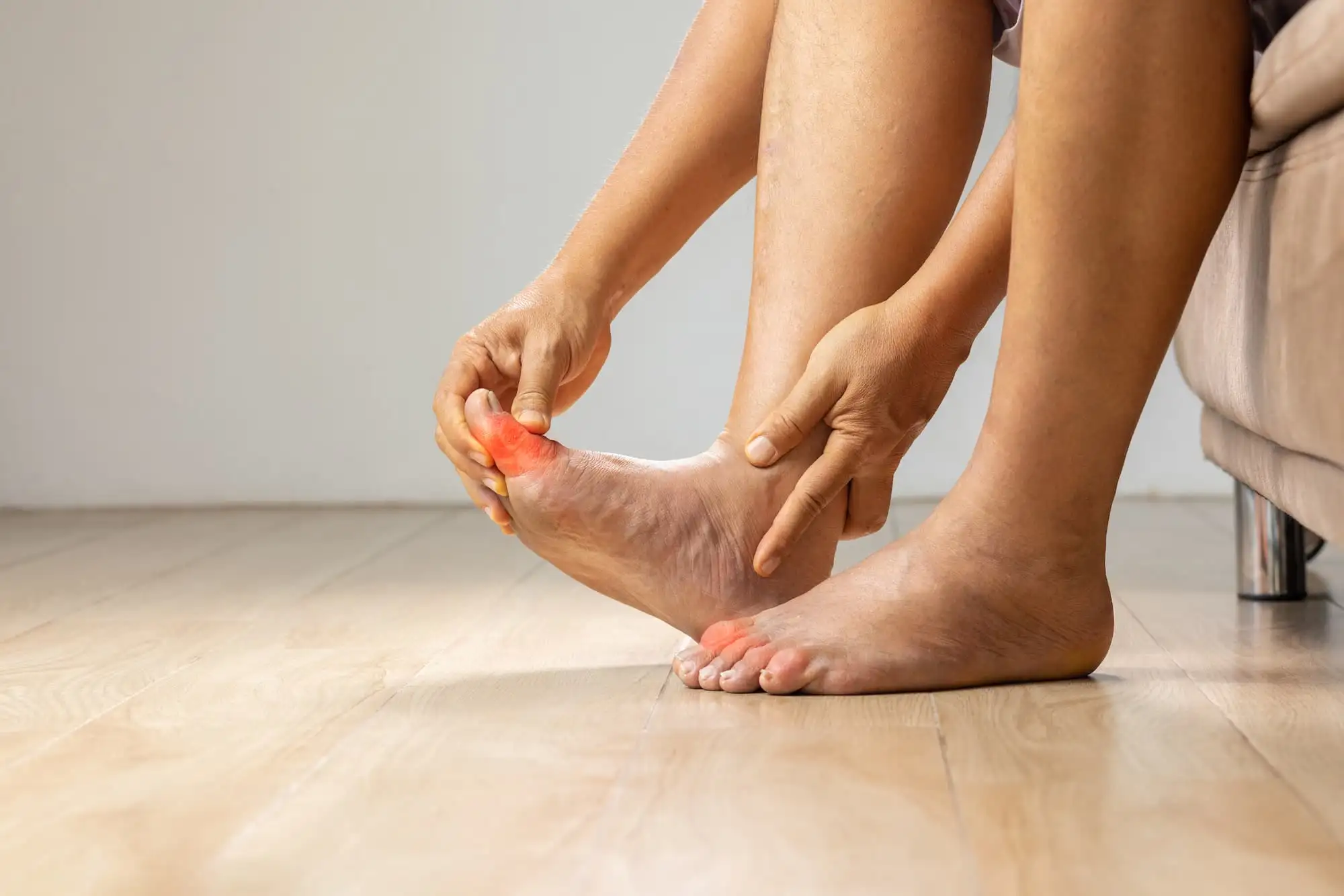
Спосіб життя та харчові звички суттєво впливають на рівень сечової кислоти в сироватці крові та частоту нападів подагри.
Спосіб життя та харчові звички можуть суттєво впливати на активність подагри та рівень сечової кислоти в сироватці, відкриваючи пацієнтам нефармакологічні можливості контролю хвороби. Подагра є поширеним ураженням суглобів, що виникає через накопичення кристалів натрію моноурату в суглобах. Подагричні приступи викликають сильний біль, набряк і зниження рухливості.
Фармакотерапія є критичною для контролю рівня сечової кислоти, в той же час накопичуються докази того, що дієта та фізична активність також важливі для мінімізації загострень. Огляд Мохаммада Мустафи та ін. (Mohammad Mustafa et al.), проаналізовав вісім досліджень, включаючи 5 проспективних когортних досліджень, 2 поперечні дослідження та 1 рандомізоване контрольоване дослідження, у яких взяли участь 47 879 учасників, переважно чоловіки середнього віку (78,5–95,3%, віком 55–66 років). Автори використовували шкалу Ньюкасла-Оттави для оцінки спостережних досліджень, для решти досліджень застосовувався інструмент Cochrane Risk of Bias 1.0. Це гарантувало методологічну точність.
Ключові результати
Цей огляд підкреслив роль дієти, фізичної активності та зниження ваги задля контролю перебігу подагри та рівня сечової кислоти в сироватці. Також потрібні подальші дослідження, щоб чіткіше визначити можливості нефармакологічних корекцій подагри.
Journal of Health, Population and Nutrition
Impact of lifestyle factors and dietary patterns on serum uric acid levels and disease activity in gout: a systematic review
Mohammad Mustafa та ін.
















Коментарі (0)