

Categories
Change Password!
Reset Password!



Biologics targeting B- and T-cell immune pathways show moderate hair regrowth in alopecia areata, with abatacept demonstrating partial efficacy and nivolumab and rituximab achieving complete regrowth in isolated cases.
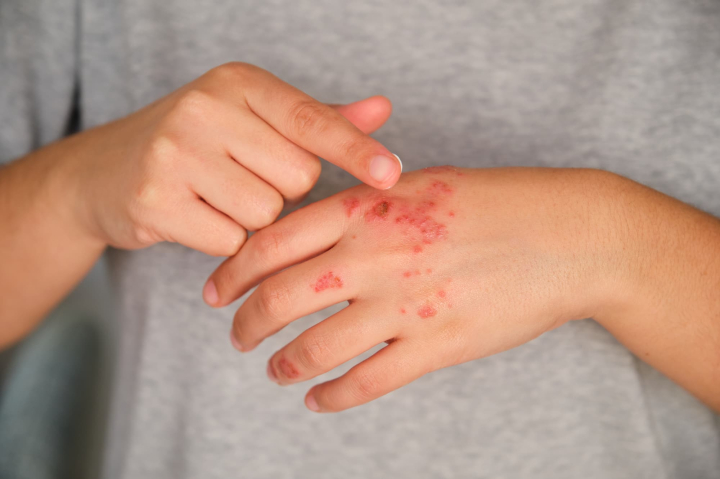
Alopecia areata (AA), a chronic autoimmune ailment causing non-scarring hair loss, continues to challenge clinicians due to restricted therapy options for severe disease. While Janus kinase (JAK) inhibitors have recently been approved, lingering safety concerns highlight the urgent requisition for alternative, targeted therapies.
Emerging research published in "Skin Appendage Disorders" suggests that biologics modulating immune cell activity could yield an encouraging direction. A comprehensive review of peer-reviewed case reports, case series, and clinical trials evaluated numerous immune-targeting biologics in AA, including aldesleukin, nivolumab, rituximab, abatacept, alefacept, and efalizumab.
The findings were as follows:
Across the studies, adverse events were usually mild, with no severe safety concerns reported. To sum up, biologics targeting B and T cells show moderate overall efficacy, supporting the potential of B-cell depletion and T-cell modulation as therapeutic strategies in AA. Abatacept demonstrated partial hair regrowth in multiple individuals, whereas aldesleukin, alefacept, and efalizumab were largely inefficient in controlled trials despite promising case-level results.
Rituximab and nivolumab produced complete regrowth in isolated cases, though current evidence remains anecdotal. Experts emphasize that while these findings are encouraging, larger, controlled studies are essential to establish role of biologics in AA. Advancing precision medicine–based strategies will be essential to identify patient subgroups most likely to respond to biologic therapies, while maintaining safety and sustained long-term effectiveness.
Skin Appendage Disorders
Article: Immune Cell-Targeting Biologics for Alopecia Areata: A New Paradigm in Precision Medicine
Simonetta I Gaumond et al.












Comments (0)