

Змінити пароль!
Скинути пароль!


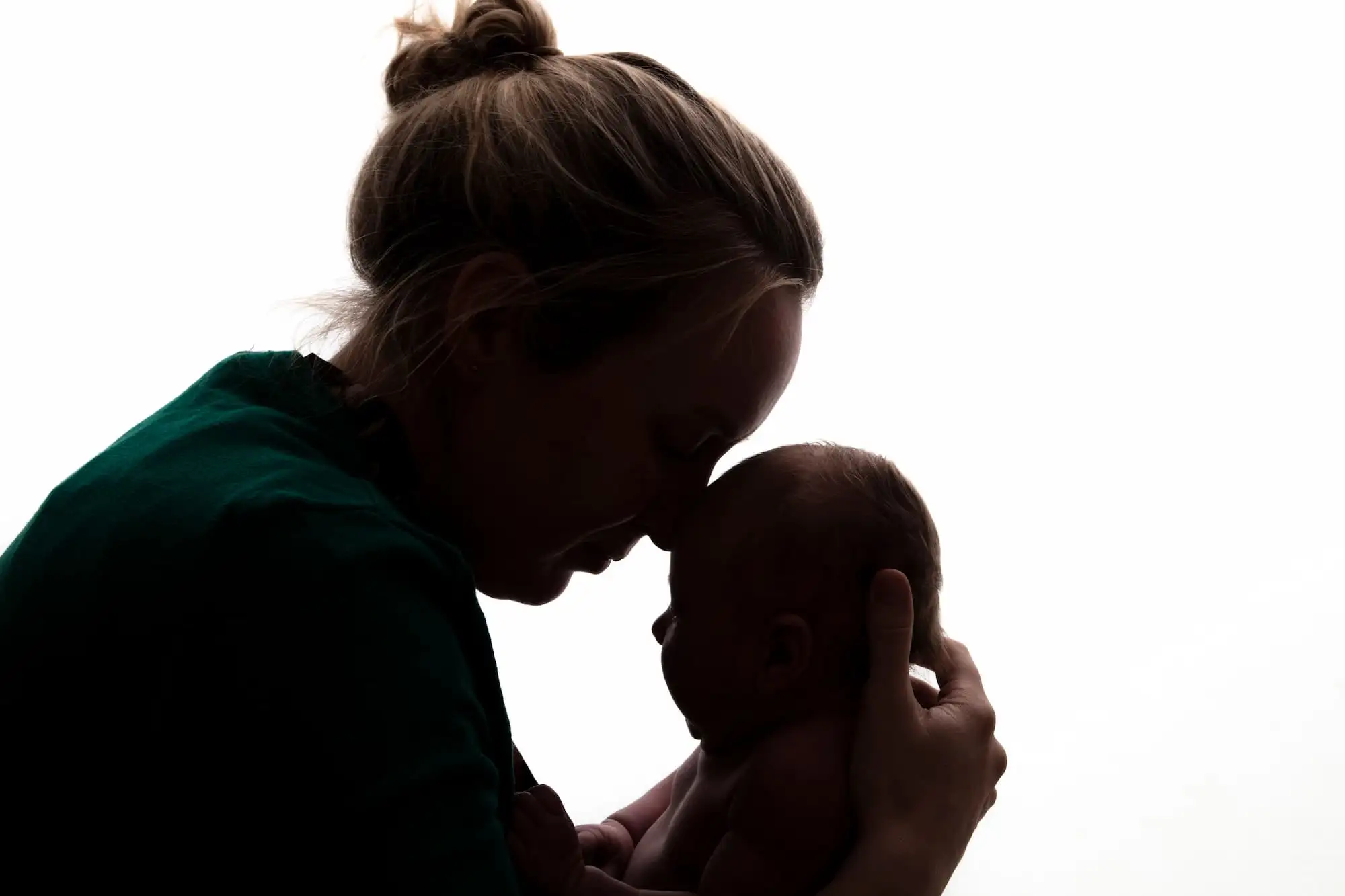
THP-TAP — програма втручань з використанням гаджетів, що здійснюється жінками, які не мають спеціальної освіти та проживають по сусідству, виявилася не менш ефективною, ніж стандартна програма ВООЗ-THP, у полегшенні перинатальної депресії протягом 3 місяців після пологів.
Знакове дослідження показало, що підкріплена сучасними гаджетами та реалізована жінками без спеціальної освіти, які проживають по сусідству, версія Програми Всесвітньої організації охорони здоров'я (ВООЗ) «Здорове мислення» (THP) настільки ж ефективна, як і традиційна версія в лікуванні перинатальної депресії (афективного розладу). Перинатальна депресія, від якої страждає кожна четверта жінка в країнах з низьким і середнім рівнем доходу, є серйозною проблемою для охорони здоров'я, особливо там, де системи охорони здоров'я перевантажені. Хоча програма ВООЗ-THP є перевіреною методикою когнітивно-поведінкової терапії, її масштабування стримується нестачею ресурсів та кваліфікованих медичних працівників.
Щоб вирішити цю проблему, Атіф Рахман (Atif Rahman) зі співавторами розробили програму THP з використанням гаджетів (THP-TAP) у співпраці з кінцевими користувачами. У цій програмі жінкам, які самі зазнали перинатальної депресії у минулому, для надання допомоги іншим жінкам надаються інструменти на базі планшетних комп'ютерів. У період з червня 2022 р. по травень 2023 р. рандомізоване контрольоване дослідження не меншої ефективності було виконано із залученням 70 кластерів у сільській місцевості .
Загалом 980 жінок з перинатальною депресією були включені до програми через центри первинної медико-санітарної допомоги та рандомізовані для отримання або THP-TAP, або стандартної ВООЗ-THP. Через 3 місяці після пологів було проведено оцінку стану 846 учасниць (86,3%). Різниця в частоті досягнення ремісії між двома групами була 8,91%, з нижньою межею одностороннього 97,5% довірчого інтервалу на рівні 4,25% — вище за заздалегідь визначену межу не меншої ефективності −10% ( P<0,0001 ). Це підтверджує, що методика THP-TAP не поступається методиці ВООЗ-THP.
Результати показали, що THP-TAP є життєздатною та масштабованою альтернативою для підтримки психічного здоров'я матерів в умовах обмежених ресурсів, використовуючи цифрові гаджети та допомогу інших жінок для розширення допомоги там, де вона найбільше необхідна.
Nature Medicine
Technology-assisted cognitive-behavioral therapy for perinatal depression delivered by lived-experience peers : a cluster-randomized noninferiority trial
Atif Rahman і співавт.












Коментарі (0)