

Categories
Change Password!
Reset Password!


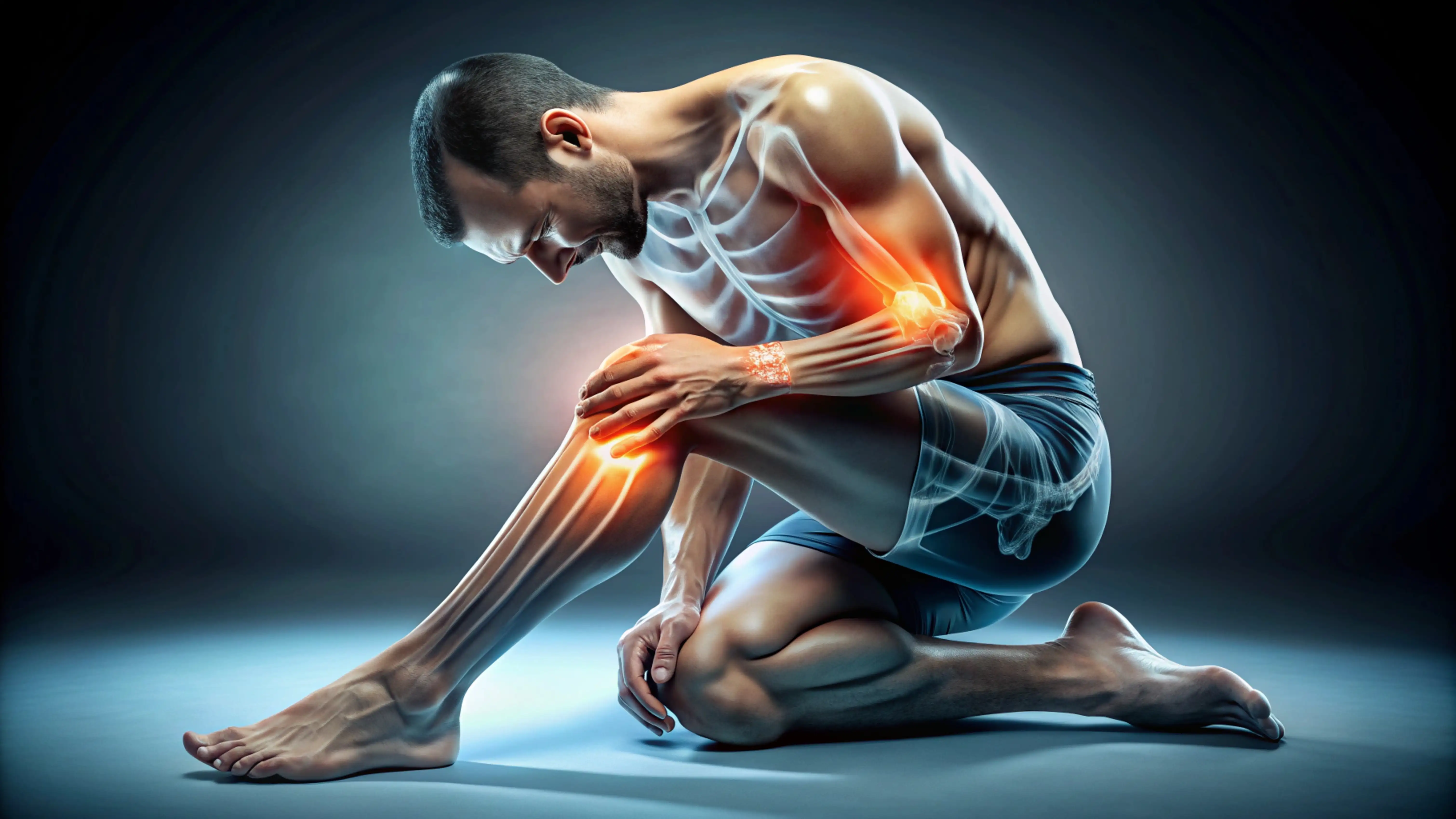
Chronic musculoskeletal disorders (CMDs) are the foremost contributor to global disability and respond poorly to conventional physiotherapy.
Virtual reality, augmented reality, and exergaming improve pain, function, and psychological well-being in chronic musculoskeletal disorders-affected adults.
Chronic musculoskeletal disorders (CMDs) are the foremost contributor to global disability and respond poorly to conventional physiotherapy. Emerging technologies are increasingly used to boost rehabilitation, but their comparative efficiency is not clear. Hence, this study systematically evaluated the impact of virtual reality (VR), augmented reality (AR), and exergaming in CMDs.
PEDro, PubMed, Cochrane CENTRAL, and Scopus were explored for RCTs involving adults (≥18 years) with CMDs treated with VR, AR, or exergaming-centered rehabilitation. With the aid of PEDro scale and Downs and Black checklist, risk of bias was explored. Utilizing a random-effects model where feasible, standardized mean differences (SMDs) for pain outcomes were pooled.
In this systematic review and exploratory meta-analysis, 13 trials (n = 881) met eligibility criteria, including motion-tracking systems, and immersive VR, AR overlays, exergaming platforms (e.g., Kinect, Wii). Most studies reported improvements in pain, function, and quality of life. In the meta-analysis of 8 RCTs (n = 610, VR/AR interventions substantially reduced pain (SMD = −1.14; I² = 0%). While exergaming consistently improved physical performance, immersive VR was particularly potent for kinesiophobia and psychological outcomes, and AR usage was limited.
For CMDs management, VR, AR, and exergaming complement standard rehabilitation by improving pain, functionality, and adherence. Evidence gaps remain for long-term effectiveness, cost evaluation, and head-to-head modality comparisons. Future RCTs must adopt standardized, inclusive, and longitudinal designs.
Bioengineering
Virtual and Augmented Reality for Chronic Musculoskeletal Rehabilitation: A Systematic Review and Exploratory Meta-Analysis
Theodora Plavoukou et al.











Comments (0)