

Змінити пароль!
Скинути пароль!



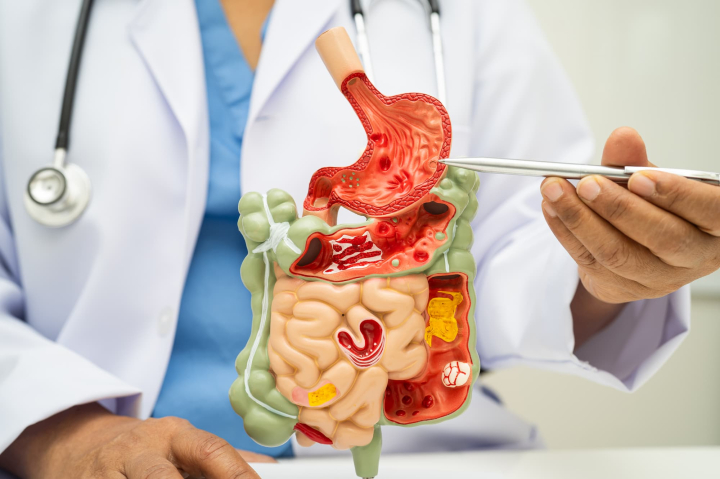
Метою даного дослідження була оцінка та узагальнення існуючих досліджень порушень з боку шлунково-кишкового тракту (ШКТ), спричинених фізичним навантаженням, з акцентом на їх частоту, основні механізми, що сприяють факторам та підходам до профілактики та лікування.
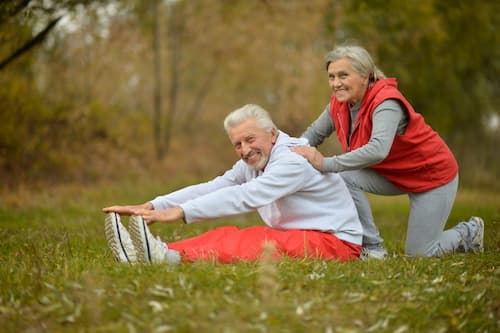
Фізичні вправи помірної інтенсивності підтримують здоров'я кишечника, покращуючи його моторику, зменшуючи запалення та зміцнюючи кишковий бар'єр, тоді як високоінтенсивні або тривалі вправи можуть спровокувати симптоми з боку шлунково-кишкового тракту, особливо у людей із супутніми розладами травлення.
Метою даного дослідження була оцінка та узагальнення існуючих досліджень порушень з боку шлунково-кишкового тракту (ШКТ), спричинених фізичним навантаженням, з акцентом на їх частоту, основні механізми, що сприяють факторам та підходам до профілактики та лікування.
Систематичний огляд проводився відповідно до рекомендацій PRISMA з використанням таких баз даних, як PubMed, Scopus, Web of Science та Embase. Прийнятні дослідження включали рандомізовані контрольовані випробування, когортні дослідження, дослідження випадок-контроль та одномоментні дослідження, в яких розглядалися шлунково-кишкові симптоми, що виникають внаслідок різних форм фізичної активності. Вилучення та синтез даних проводилися з метою виявлення тенденцій та надання інформації для клінічної та спортивної практики.
231 дослідження відповідало критеріям включення. Встановлено, що регулярні фізичні вправи помірної інтенсивності, такі як ходьба, їзда на велосипеді та йога, можуть позитивно впливати при захворюваннях ШКТ, таких як гастроезофагеальна рефлюксна хвороба (ГЕРХ), синдром подразненого кишечника (СПК), запальні захворювання кишечника та запори. Користь багато в чому зумовлена покращенням моторики кишечника, зниженням системного запалення та посиленням бар'єрної функції кишечника.
Більш того, психосоматичні практики, такі як йога і тайцзи, здаються особливо корисними при функціональних розладах шлунково-кишкового тракту, ймовірно, через їх вплив на вісь кишечник-мозок. Однак інтенсивні або тривалі фізичні вправи можуть спричинити такі симптоми, як дискомфорт у животі, діарея та нудота. Ці ефекти часто пов'язані із зменшенням припливу крові до травного тракту та підвищенням проникності кишечника. Такі фактори, як рівень фізичної підготовки, харчування, гідратація та наявні захворювання ШКТ відіграють вирішальну роль у формуванні цих результатів.
Помірна фізична активність є додатковою стратегією підтримки здоров'я шлунково-кишкового тракту і, зазвичай, добре переноситься. Навпаки, до високоінтенсивних вправ слід підходити з обережністю, особливо тим, хто має відомі проблеми із травленням. Індивідуально підібрані програми вправ та планування харчування мають вирішальне значення для отримання максимальної користі для здоров'я та мінімізації ризику ускладнень з боку ШКТ.
World Journal of Gastroenterology
Exploring the gut-exercise link: A systematic review of gastrointestinal disorders in physical activity
Mohammed Al-Beltagi та співавт.








Коментарі (0)