

Categories
Change Password!
Reset Password!


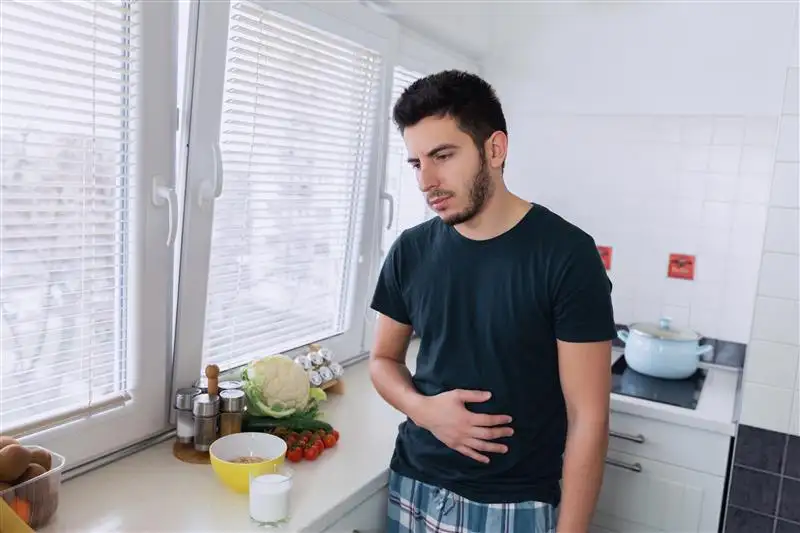
Affecting roughly 10% of people worldwide, irritable bowel syndrome (IBS) is a functional gastrointestinal (GI) condition characterized by persistent abdominal pain, bloating, and changes in bowel habits that interfere with routine activities.
Reduced stress, higher fiber intake, and longer sleep duration significantly improve IBS symptoms, while increased stress, anxiolytic use, and reduced physical activity raise the risk of new-onset IBS.
Affecting roughly 10% of people worldwide, irritable bowel syndrome (IBS) is a functional gastrointestinal (GI) condition characterized by persistent abdominal pain, bloating, and changes in bowel habits that interfere with routine activities. Although the exact pathophysiology of IBS remains unclear, growing evidence emphasizes the role of environmental triggers, lifestyle habits, and psychological stress in symptom development and persistence.
This study explored how major lifestyle modifications and multidimensional stress during the COVID-19 lockdown influenced IBS symptoms in the general population.
A large-scale online survey was conducted during the 2020 COVID-19 lockdown, enrolling 3 representative population groups. The questionnaire collected detailed data on socio-demographics, dietary patterns, fiber intake, alcohol consumption, smoking habits, physical activity, sleep duration, work-related changes, stress levels, and GI symptoms prior to and during lockdown. IBS diagnosis was defined as per the Rome IV criteria. For determining the association between environmental factors and the onset or resolution of IBS symptoms, multivariate statistical models were applied.
Overall, 2,735 subjects completed the survey. Among those with pre-existing IBS, 122 patients (46.2%) reported symptom improvement during lockdown. Conversely, 118 previously healthy participants (4.8%) developed new-onset IBS symptoms. Key factors linked with IBS symptom resolution were reduced overall stress, increased dietary fiber intake, and longer sleep duration.
In contrast, increased anxiolytic medication use was strongly related to a lower likelihood of IBS improvement. Risk factors for new-onset IBS symptoms encompassed reduced physical activity, increased anti-inflammatory drug usage, anxiolytic medication intake, and elevated work-related stress. Reduced alcohol consumption emerged as a protective factor against IBS development. Notably, improvement in IBS symptoms did not considerably impact upper GI functional disorders (Table 1).

The pandemic-driven lifestyle shift generated a potential “cocoon effect” leading to symptom improvement in nearly half of IBS patients. These large-scale findings reinforce that environmental and lifestyle factors play a fundamental role in IBS pathogenesis. Stress management, high-fiber diet, adequate sleep, reduced alcohol intake, and physical activity emerge as critical modifiable factors impacting IBS symptom onset and resolution.
Journal of Clinical Medicine
Stress, Diet, and Sleep Shape Irritable-Bowel-Syndrome-Specific Symptoms: The Lockdown “Cocoon Effect”
Stefano Kayali et al.











Comments (0)