

Categories
Change Password!
Reset Password!


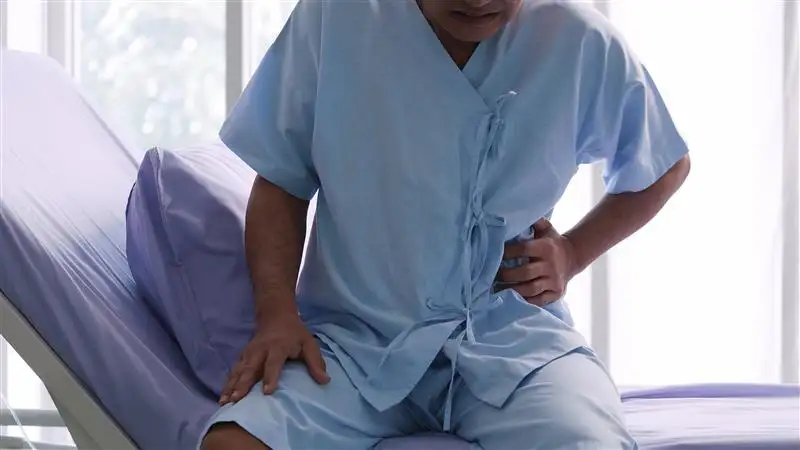
Acute cancer-related pain in patients with gastrointestinal (GI) malignancies and genitourinary (GU) cancers is a key cause of emergency department visits and remains cumbersome to manage effectively.
In patients with acute gastrointestinal and genitourinary cancer-related pain, intravenous paracetamol + tramadol provides greater and sustained pain relief with reduced rescue analgesia use compared with monotherapy.
Acute cancer-related pain in patients with gastrointestinal (GI) malignancies and genitourinary (GU) cancers is a key cause of emergency department visits and remains cumbersome to manage effectively. Optimizing intravenous (IV) analgesic strategies is critical for rapid pain control and improved patient outcomes. This randomized controlled trial determined the efficacy, onset, and safety of IV paracetamol, IV tramadol, and their multimodal combination in managing moderate-to-severe malignancy-associated acute pain.
Overall, 108 adult patients with confirmed GI or GU cancers presenting with acute pain (numerical rating scale; NRS ≥ 4) were randomized to receive IV paracetamol 1 g, IV tramadol 100 mg, or a paracetamol–tramadol combination regimen. Using NRS, pain intensity was measured at baseline and at 30, 60, and 120 minutes post-treatment. The key outcome was decrease in pain score. Secondary outcomes were rescue analgesia requirement and incidence of adverse events, including hypotension, desaturation, and nausea.
In this prospective, single-blind study, all three groups illustrated progressive pain reduction. However, the combination therapy group achieved remarkably greater absolute and percentage reductions in NRS scores at 60 and 120 minutes. Patients receiving combination therapy required substantially less rescue analgesic medication (2.8%) compared with paracetamol or tramadol monotherapy (19.4–25.0%). Importantly, there was no pivotal increase in adverse events—including hypotension, oxygen desaturation, or nausea—in the combination therapy group, confirming a favorable safety profile.
IV co-administration of paracetamol and tramadol yielded superior, sustained pain relief compared with single-agent therapy, without increasing adverse effects. These findings support the usage of multimodal analgesia as a safe, evidence-based strategy for acute cancer-related pain management in the emergency department, particularly in patients with GI and GU malignancies.
Supportive Care in Cancer
Monotherapy vs. combination paracetamol and tramadol for cancer-related pain in the emergency department: a comparative study
Orhan Enes Tunçez et al.









Comments (0)