

Змінити пароль!
Скинути пароль!


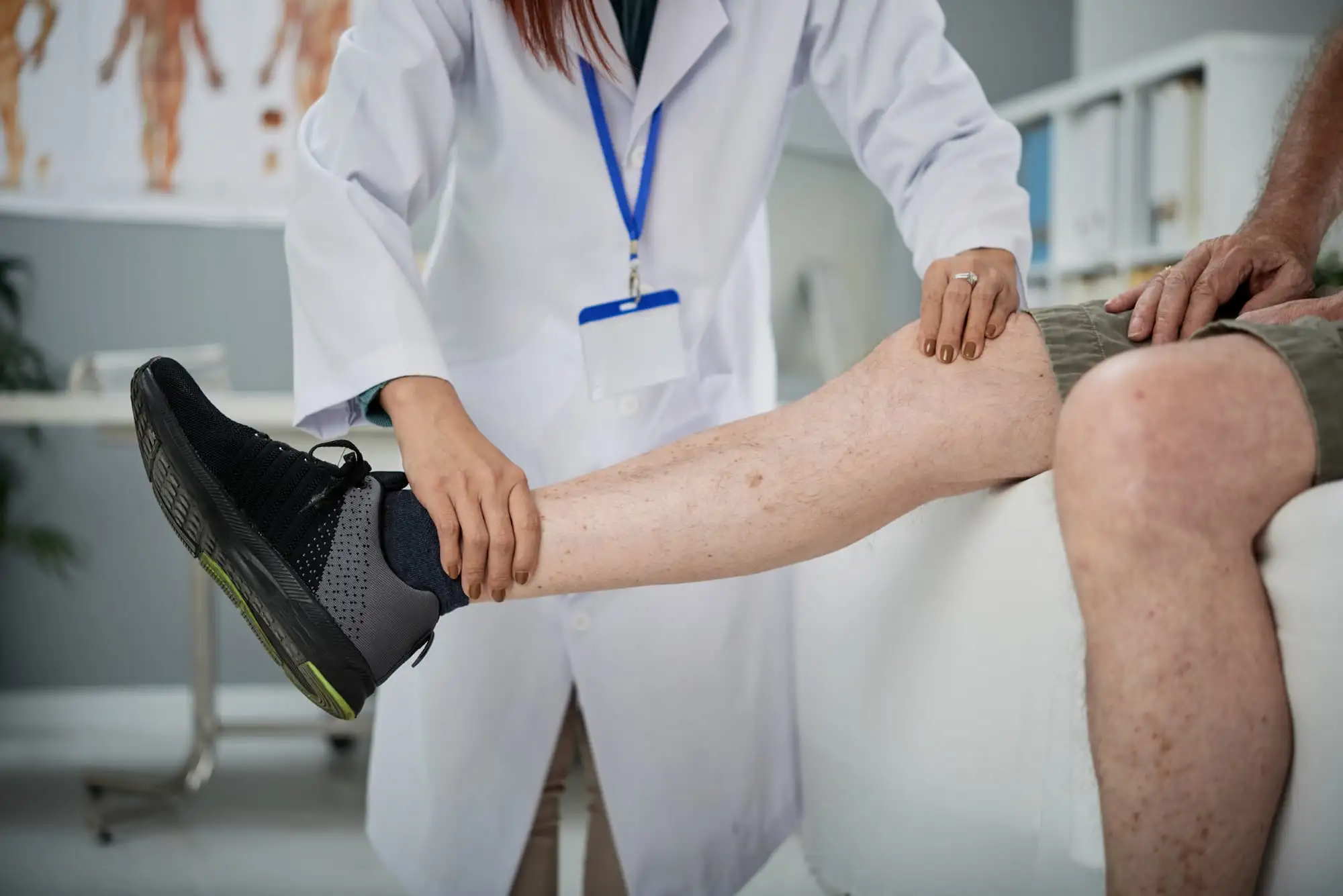
Метою даного відкритого дослідження було вивчення пітолізанту як допоміжної терапії при лікуванні рефрактерного синдрому неспокійних ніг (СНН).
Пітолізант значно знижує вираженість симптомів, денну сонливість та загальний стан пацієнтів із рефрактерним синдромом неспокійних ніг, при цьому препарат загалом добре переноситься.
Метою даного відкритого дослідження було вивчення пітолізанту як допоміжної терапії при лікуванні рефрактерного синдрому неспокійних ніг (СНН).
У цьому пілотному дослідженні дозу пітолізанту титрували до максимальної ранкової дози 35,6 мг у пацієнтів з симптомами синдрому неспокійних ніг, що зберігаються, незважаючи на прийом щонайменше одного препарату проти СНН. Основним критерієм була оцінка за шкалою Міжнародної дослідницької групи з вивчення СНН (IRLSRS) через 8 тижнів, при цьому пацієнти продовжували постійно використовувати інші раніше призначені методи лікування СНН. Вторинні кінцеві точки включали оцінку стомлюваності, денної сонливості та когнітивної функції. Після перших 8 тижнів пацієнти продовжували приймати пітолізант ще 8 тижнів з можливістю коригування інших методів лікування СНН.
Всього до дослідження було включено 21 пацієнта (середній вік 67,6±10,2 року; 12 чоловіків; 16 із сімейним анамнезом СНН). Пацієнти одночасно приймали дофамінергічні препарати (15), габапентиноїди (9) та опіоїди (8), а 11 з них перебували на комбінованій терапії. Важливо відзначити, що 2 особи припинили участь у дослідженні: одна через прогресування синдрому дефіциту уваги та гіперактивності, а інша була втрачена для подальшого спостереження.
Двоє інших пацієнтів не досягли повної дози 35,6 мг. Через 8 тижнів показники за шкалою IRLSRS помітно покращилися з 24,5 ± 4,6 до 17,2 ± 5,5 (N = 21), при цьому 8 з 19 пацієнтів повідомили про помітне або дуже помітне поліпшення. Оцінки за шкалою RLS-6 і шкалою сонливості Епворта також показали поліпшення, тоді як показники стомлюваності, депресії та когнітивних функцій залишилися незмінними. Загалом 9 учасників відзначили небажані ефекти, при цьому 6 із них повідомили і про безсоння.
Пітолізант (зворотний агоніст гістаміну-3) добре переносився і демонстрував поліпшення показників, пов'язаних з СНН. Ці результати свідчать про те, що пітолізант може бути кориснішим для полегшення денних наслідків синдрому неспокійних ніг, ніж для лікування його основних симптомів.
Sleep Medicine
Pilot study of Pitolisant, a histamine-3 inverse agonist, as adjunct therapy for refractory restless legs syndrome
William G. Ondo та співавт.











Коментарі (0)