

Змінити пароль!
Скинути пароль!


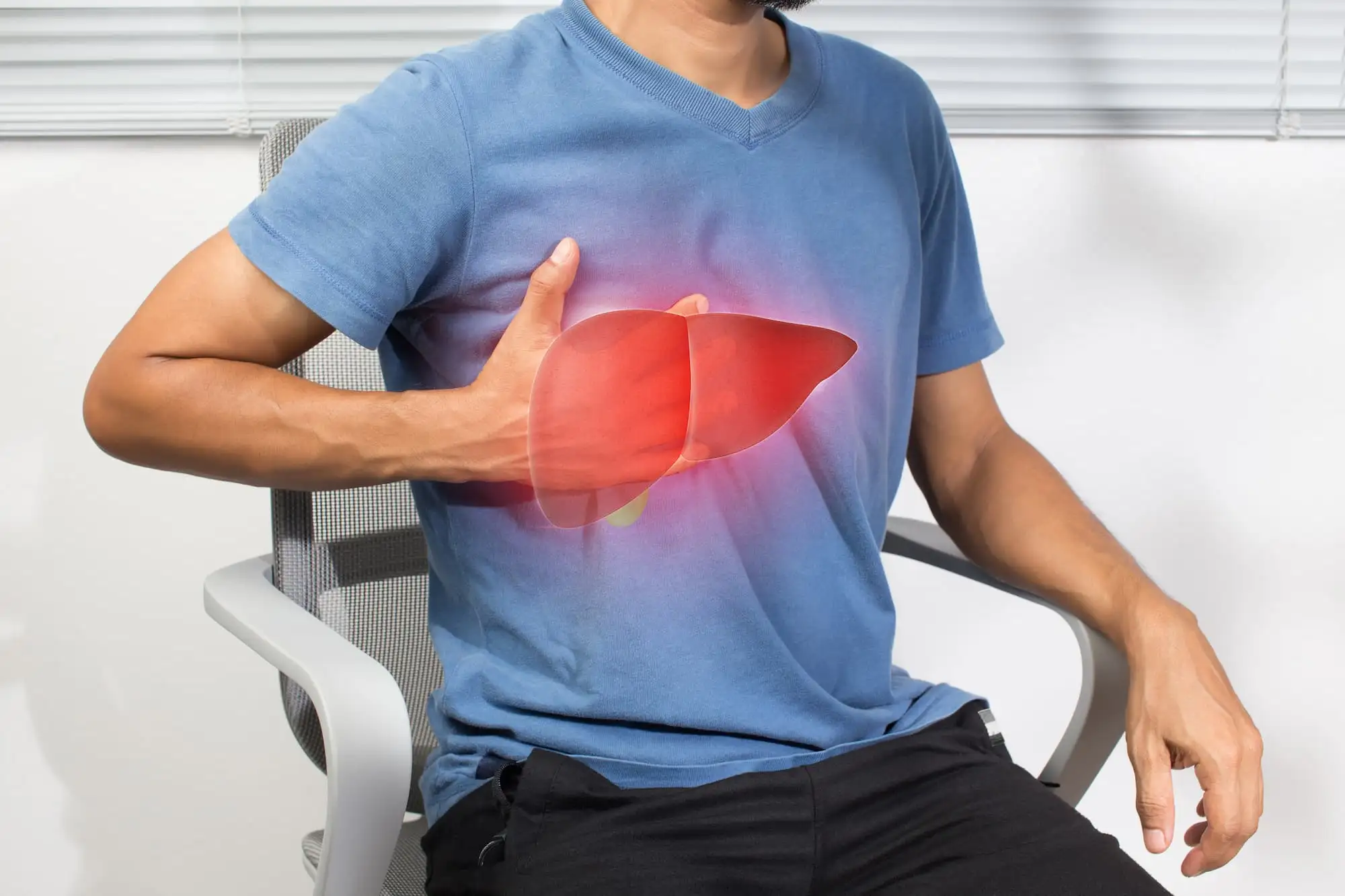
Сьогодні найпоширенішим хронічним захворюванням печінки у світі є метаболічно- асоційована жирова хвороба печінки (МАЖБП; стеатогепатит, пов'язаний із порушеннями метаболізму).
Використання семаглутиду у пацієнтів з МАЖХП значно зменшує загальну смертність і частоту серйозних ускладнень з боку печінки порівняно з іншими агоністами рецепторів ГПП-1.
Сьогодні найпоширенішим хронічним захворюванням печінки у світі є метаболічно- асоційована жирова хвороба печінки (МАЖБП; стеатогепатит, пов'язаний із порушеннями метаболізму). Хоча агоністи рецепторів глюкагоноподібного пептида-1 (ГПП-1) вважаються перспективними препаратами для МАЖБП, відносна ефективність семаглутиду порівняно з іншими препаратами групи залишалася слабо вивченою. Тому було проведено ретроспективне когортне дослідження для оцінки клінічних результатів у пацієнтів з МАЖБП, що лікувалися семаглутидом та іншими агоністами рецепторів ГПП-1.
Дослідження провели на основі даних дослідницької мережі TriNetX з включенням пацієнтів з МАЖБП, яким вперше були призначені агоністи рецепторів ГПП-1. Первинною кінцевою точкою (ПКТ) був композитний показник, що включав смертність та великі серцево-судинні події (MACE), та серйозні негативні наслідки для печінки та нирок. Вторинні кінцеві точки були розраховані як окремі компоненти композитної ПКТ.
Після відбору подібних пацієнтів за коефіцієнтом схильності (propensity score matching) в кожну групу включили 20 384 учасників. Порівняно з іншими агоністами рецепторів ГПП -1, семаглутид асоціювався з на 14% нижчим ризиком подій композитної ПКТ (31,8 та 36,6 подій на 10 000 особо-років; скориговане співвідношення ризику [HR] 0,86). Пацієнти, які отримували семаглутид, також мали значне зниження ризику смертності (скоригований HR = 0,68) та значимих ускладнень з боку печінки (скоригований HR = 0,79). Ці переваги зберігалися у всіх підгрупах, проаналізованих за віком, статтю, ожирінням і діабетом. У прямому порівнянні семаглутид показав кращі результати, ніж ліраглутид (скоригований HR = 0,83) та дулаглутид (скоригований HR = 0,88).
У пацієнтів з МАЖБП Використання семаглутиду було пов'язане з більш сприятливими клінічними результатами порівняно з іншими агоністами рецепторів ГПП-1, особливо за рахунок зниження загальної смертності та ризику ускладнень з боку печінки. Ці дані підтверджують доцільність розгляду при лікуванні МАЖБП саме семаглутиду, серед препаратів цього класу.
Hepatology Communications
Semaglutide versus other GLP-1 receptor agonists in patients with MASLD
Chia-Chih Kuo та ін.











Коментарі (0)