

Categories
Change Password!
Reset Password!



The Canadian Consensus Guidelines recommend an individualized, stepwise approach to managing atopic dermatitis with topical therapies, emphasizing the integration of newer treatments like topical JAK inhibitors alongside traditional options.
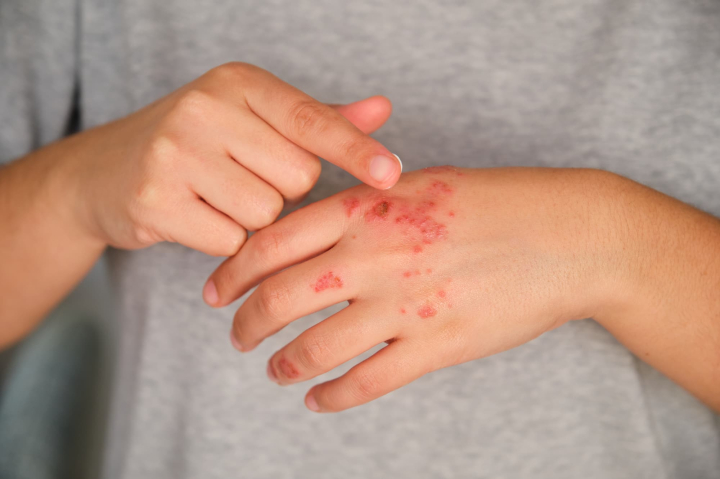
A panel of 10 Canadian dermatologists has issued new consensus guidelines aimed at enhancing the management of atopic dermatitis (AD) through topical therapies. The guidelines, detailed in the journal Dermatology and Therapy, provide updated recommendations reflecting recent advancements in treatment options and emphasize a patient-centered approach.
Key Recommendations
1. Individualized Treatment Plans
Treatment should be tailored to each patient, considering age, disease severity, affected areas, flare frequency, and personal preferences. Shared decision-making is encouraged to boost adherence and satisfaction.
2. Assessment of Severity and Impact
Clinicians must assess both objective signs (e.g., lesion severity, extent) and subjective symptoms (e.g., itch, sleep disturbance) using tools like the Patient-Oriented Eczema Measure (POEM) and Eczema Area and Severity Index (EASI).
3. Patient Education is Fundamental
Education on AD pathophysiology, trigger avoidance, and treatment expectations is pivotal. Clear instructions on how and when to use topical treatments—especially corticosteroids—can aid in reducing steroid phobia and improve outcomes.
4. Moisturizers as First-Line Therapy
Regular and liberal use of fragrance-free moisturizers is a foundational component of treatment. Emollients improve skin barrier function, minimize flare frequency, and may lower the requisition for corticosteroids.
5. Topical Corticosteroids (TCS)
TCS remains the first-line agent for ameliorating flares. For the shortest duration possible, opt for the lowest effective potency. Intermittent use is advocated to alleviate side effects. Guidance includes:
6. Steroid-Sparing Agents for Long-Term Control
Topical calcineurin inhibitors (TCIs) and phosphodiesterase-4 (PDE4) inhibitors (e.g., crisaborole) are advised for:
7. Proactive Maintenance Therapy
For those with frequent flares, twice-weekly application of a non-steroidal agent or TCS to previously affected areas is advised to maintain disease control and decrease flare-ups.
8. Newer Agents: Janus Kinase Inhibitors (JAKis)
Topical JAK inhibitors, such as ruxolitinib, are emerging options for those not responding adequately to traditional topicals. They are effective for rapid itch relief and anti-inflammatory action, but long-term safety data are still evolving.
9. Step-Up Approach for Poor Responders
If topical therapies fail, clinicians should consider:
10. Special Populations
By aligning treatment strategies with individual patient needs and preferences, these guidelines seek to improve disease outcomes and quality of life for those battling AD.
Dermatology and Therapy
Canadian Consensus Guidelines for the Management of Atopic Dermatitis with Topical Therapies
Melinda J Gooderham et al.













Comments (0)