

Змінити пароль!
Скинути пароль!


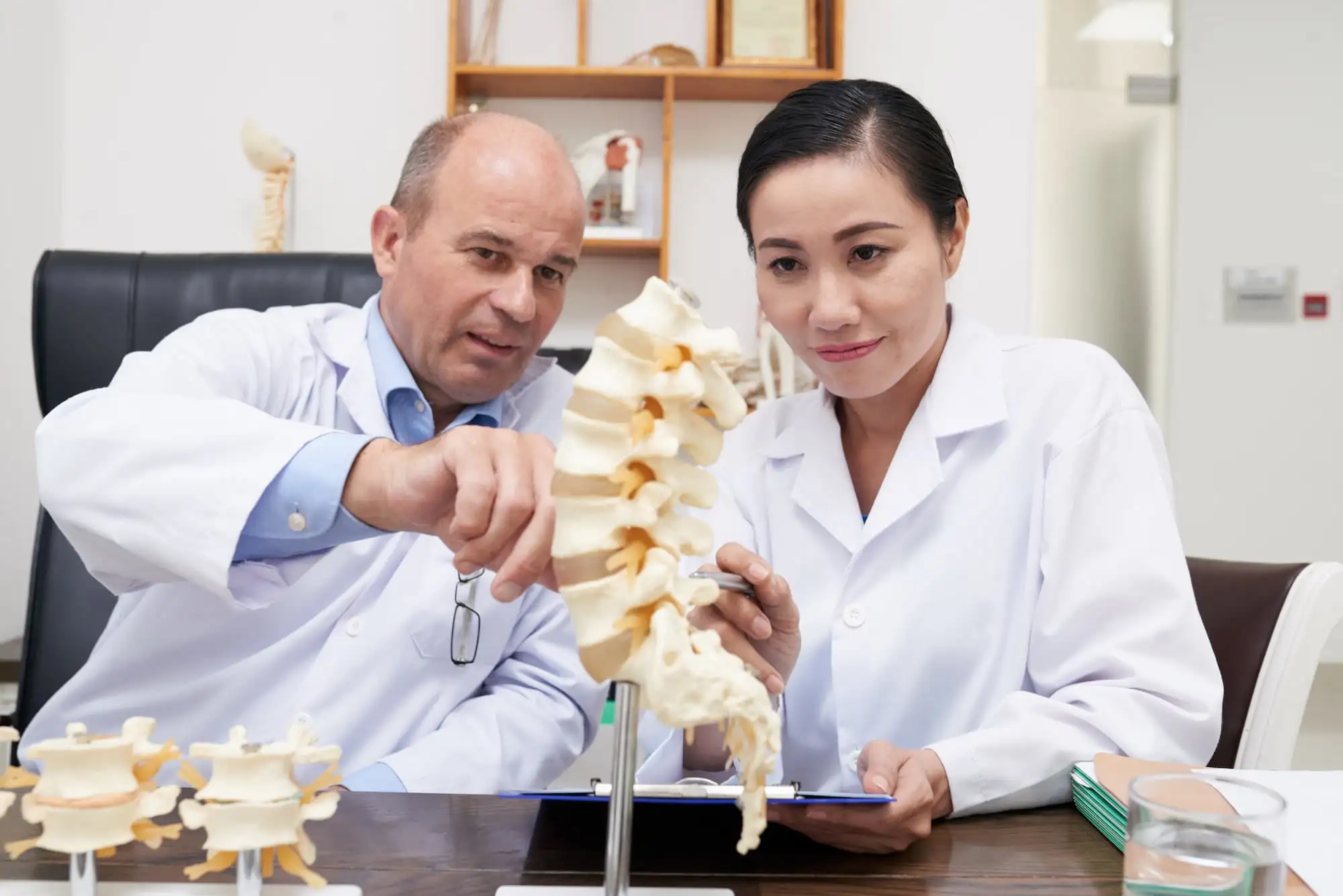
Серед дитячих офтальмологів і страбізмологів Близького Сходу зростає частота болю в шиї та плечовому поясі, спричиненого умовами праці. Хоча фізичні вправи, терапія та зокрема фармакотерапія дають полегшення, ергономічні методи досі використовуються недостатньо.
Дослідження, опубліковане в Journal of Pediatric Ophthalmology and Strabismus, виявило значну проблему болю в опорно-руховому апараті серед дитячих офтальмологів Близького Сходу, підкресливши її вплив на роботу та продуктивність загалом. Задачею Махмуда М. Ісмаїла (Mahmoud M Ismail) та інших дослідників було вивчити поширеність, фактори ризику та професійний вплив опорно-рухового болю у дитячих страбізмологів і офтальмологів.
Це одноразове дослідження (веб-опитування) було проведено за допомогою структурованої закритої анкети, розробленої на SurveyMonkey після ретельного огляду літератури та консультацій з експертами у цій галузі. Анкета була попередньо протестована для забезпечення ясності, релевантності та простоти її заповнення. Посилання на опитування було передано через платформу WhatsApp для максимального охоплення та доступності. Дослідження зібрало всебічну інформацію про демографію учасників, клінічне навантаження, ергономічні практики, симптоми опорно-рухового апарату, пов'язані фактори ризику та стратегії лікування.
Усі відповіді систематично записувалися, а дані аналізувалися для отримання доказів ергономічних та опорно-рухових профілів, з акцентом на сфери, що потребують цілеспрямованого втручання. Більшість учасників (70%) мали понад 10 років клінічного досвіду. Інтенсивність болю була вищою серед офтальмологів, які працювали в приватних і звичайних клініках, порівняно з колегами з університетських клінік. Дані результати підкреслили вплив професійної діяльності. Біль у шиї (48%) та плечах (24%) був безпосередньо пов'язаний із загальним дискомфортом, тоді як біль у спині та руці такого зв'язку не мав.
Ключовими факторами ризику були тривале положення стоячи та проведення численних ортоптичних досліджень; Використання щілинної лампи не давало значущого ефекту. Фізіотерапія та фармакотерапія були ефективними, але ергономічні втручання застосовувались недостатньо. Біль у опорно-руховому апараті спонукав 31% учасників скоротити робочі години, а 15% — утриматися від виконання певних завдань, що ілюструє негативний вплив на продуктивність. Регулярні фізичні вправи опитувані застосовували нечасто. Вони суттєво сприяли знеболенню, тож їх ширше застосування потенційно може покращити рішення проблеми.
Тож біль у опорно-руховому апараті, особливо в шиї та плечах, є поширеним серед дитячих офтальмологів і страбізмологів Близького Сходу, його тяжкість залежала від виконання специфічних професійних задач. Застосування ергономічних стратегій, комплексного знеболення та модифікації способу життя (регулярна фізична активність), є критично важливим для покращення стану лікарів-офтальмологів, та ефективності їх роботи.
Journal of Pediatric Ophthalmology and Strabismus
Prevalence and Risk Factors of Musculoskeletal Pain Among Pediatric Ophthalmologists and Strabismologists in the Middle East: A Cross-sectional Study
Mahmoud M Ismail та ін.














Коментарі (0)