

Змінити пароль!
Скинути пароль!


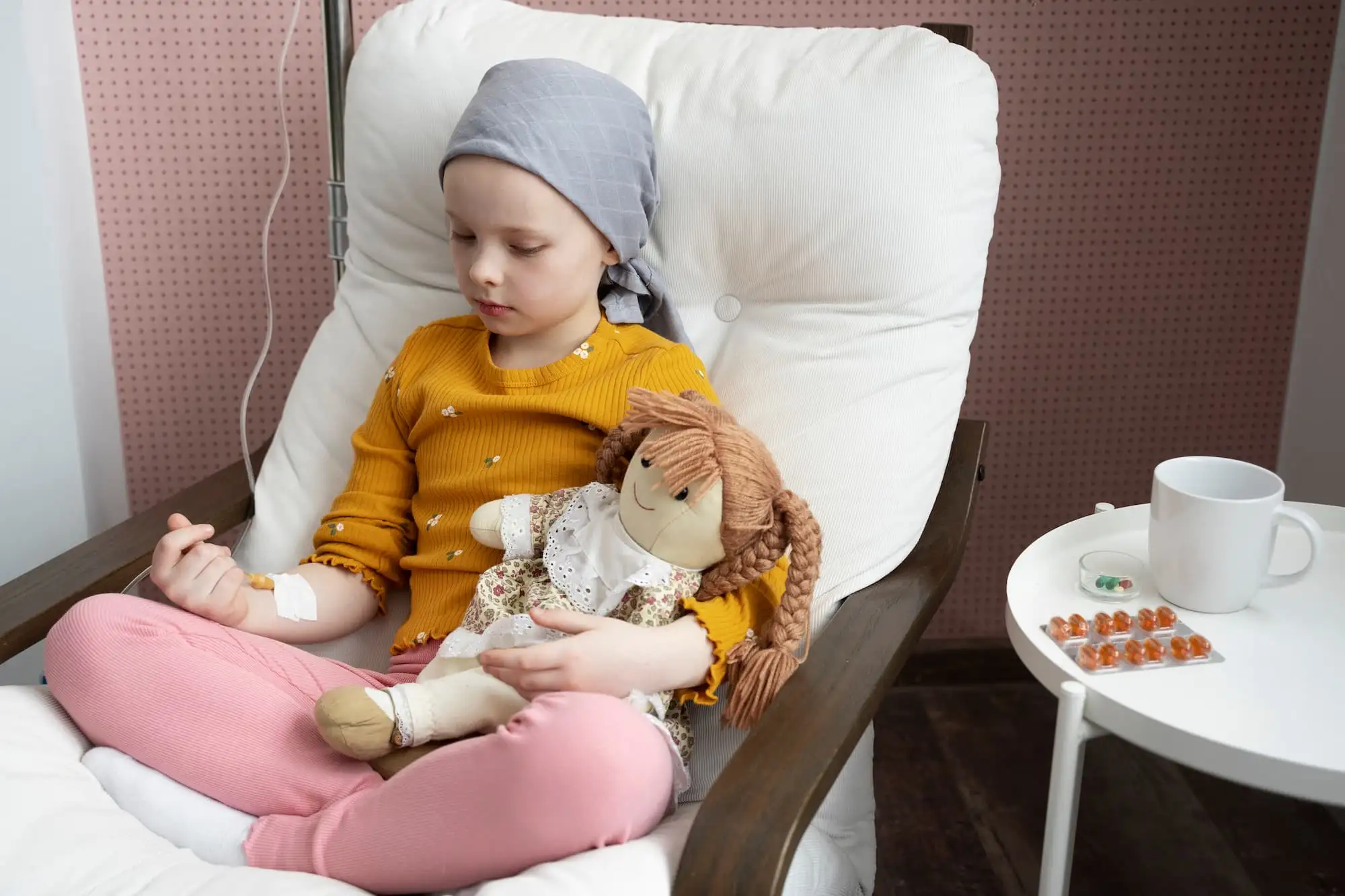
Батьки дітей із рідкісними захворюваннями визначають якість життя не лише як медичні результати, зважаючи також на життя без болю, соціальну інклюзію, можливості розвитку та індивідуалізований, сімейно-орієнтований догляд.
Кількість дітей і підлітків з рідкісними захворюваннями зростає у всьому світі. Цю тенденцію пов'язують із покращенням догляду під час планування вагітності, новими діагностичними методами та більш ефективними варіантами лікування. Хоча ці медичні прориви збільшили тривалість життя та покращили здоров'я пацієнтів, нове дослідження, опубліковане в «European Journal of Pediatrics» висвітлило ще один, не менш важливий аспект: сприйняття батьками якості життя своїх дітей.
У ході пошукового дослідження, проведеного Євою Де Клерк (Eva De Clercq), було зібрано відповіді від 108 опікунів дітей із рідкісними захворюваннями. Учасників набирали через портал Knowledge Network for Children with Rare Diseases. Використовуючи якісний контент-аналіз відкритих відповідей опитування, оцінювали відношення сімей до речей поза межами медичних результатів.
Загалом у відповідях батьків було визначено 5 важливих маркерів:
Дослідження дійшло висновку, що батьки розглядають якість життя в широкому сенсі, не лише як стан здоров'я, але й як соціальну інклюзію, повагу до різних траєкторій розвитку та комплексні системи підтримки. Медичні працівники повинні враховувати занепокоєння батьків щодо стигми, визнавати досвід сімей і працювати разом в мережах підтримки. Оскільки кількість дітей із рідкісними захворюваннями продовжує зростати у світі, ці результати підкреслюють потребу в медичній допомозі, яка виходить за суто медичні межі і охоплює сімейні цінності, соціальну інклюзію та емоційне благополуччя.
European Journal of Pediatrics
Quality of life among children and young adults with rare diseases. A parental perspective
Eva De Clercq та ін.














Коментарі (0)