

Змінити пароль!
Скинути пароль!


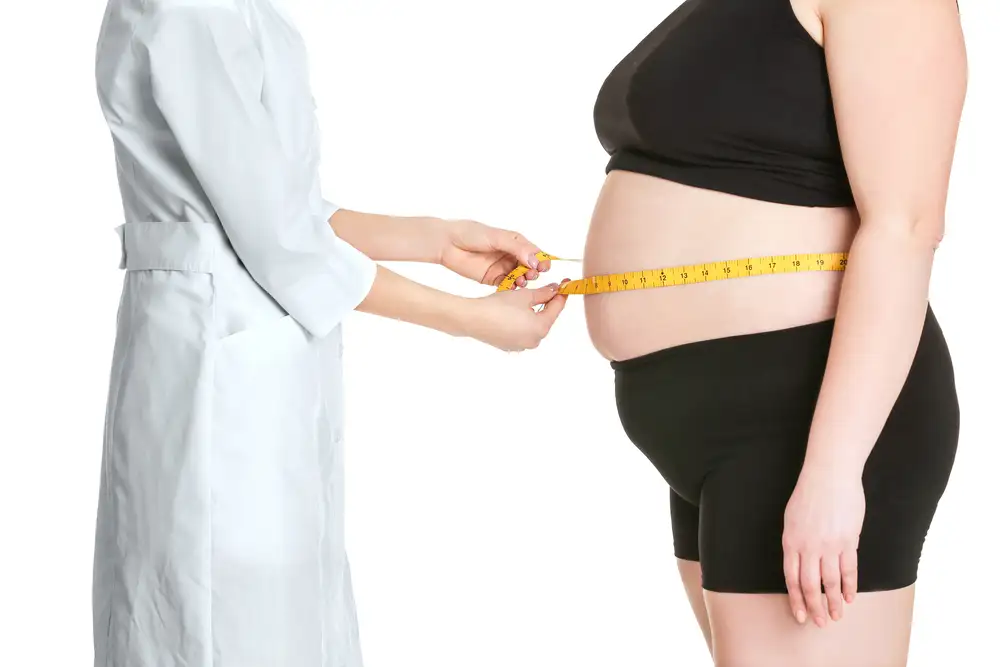
Дієта з високим вмістом білка та низьким вмістом калорій краще зберігає м'язову масу та зменшує жирову масу, ніж традиційна дієта з обмеженням калорій у жінок із СПКЯ для досягнення короткострокового схуднення.
Згідно з нещодавнім дослідженням, проведеним Фан Вангом та співавт. (Fang Wang et al.), жінки з синдромом полікістозних яєчників (СПКЯ), які дотримувалися високобілкової гіпокалорійної дієти (ВГД) під час тримісячної програми схуднення, зберігали значно більшу м'язову масу, ніж ті, хто дотримувався традиційної дієти з обмеженням калорій (ДОК).
Ретроспективне дослідження проаналізувало дані 72 жінок із СПКЯ, які мали надмірну вагу або ожиріння і добровільно почали застосовувати дієту. Пацієнти отримували або ВГД, або ізокалоричну ДОК (з нормальним споживанням білка). Також в ході дослідження оцінили зміни складу тіла та метаболічних маркерів після виконання програми.
Хоча обидві групи показали порівнянні зниження маси тіла, група ВГД зберегла більшу нежирну масу тіла (FFM) та вищі значення індексу нежирної маси тіла (FFMI). Зниження FFM було значно менш вираженим у групі ВГД порівняно з групою ДОК. Аналогічно, зниження FFMI було меншим у групі ВГД. Крім того, група ВГД досягла більш значного зниження відсотка жиру в тілі, ніж група ДОК (Таблиця 1).
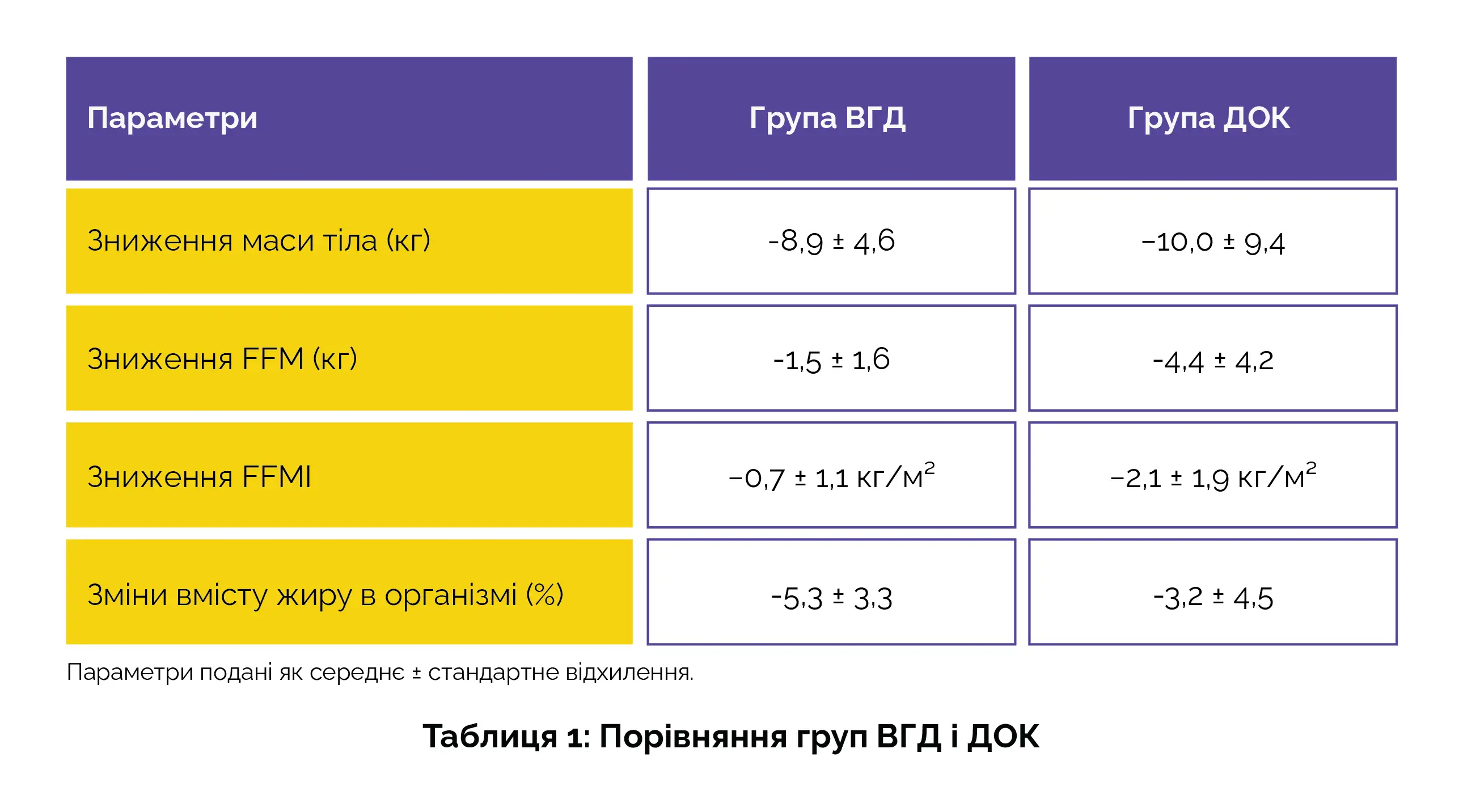
Обидві дієтичні стратегії призвели до покращення метаболічних маркерів, таких як сироваткові ліпіди, глюкоза, інсулін і загальний тестостерон, при цьому суттєвих відмінностей між двома групами не було виявлено. Результати свідчать, що хоча обидві гіпокалорійні дієти корисні для схуднення, дієта з високим вмістом білка може надати додаткові переваги для збереження м'язової маси та оптимізації складу тіла у жінок із СПКЯ. Автори виступають за подальші ретельно розроблені дослідження для підтвердження результатів і аналізу довгострокових наслідків.
Diabetes, Metabolic Syndrome and Obesity
Evaluation of Effects of a High-Protein Hypocaloric Diet on Body Composition and Cardio-Metabolic Factors in Women with Polycystic Ovary Syndrome and Overweight or Obesity
Fang Wang та ін.













Коментарі (0)