

Categories
Change Password!
Reset Password!


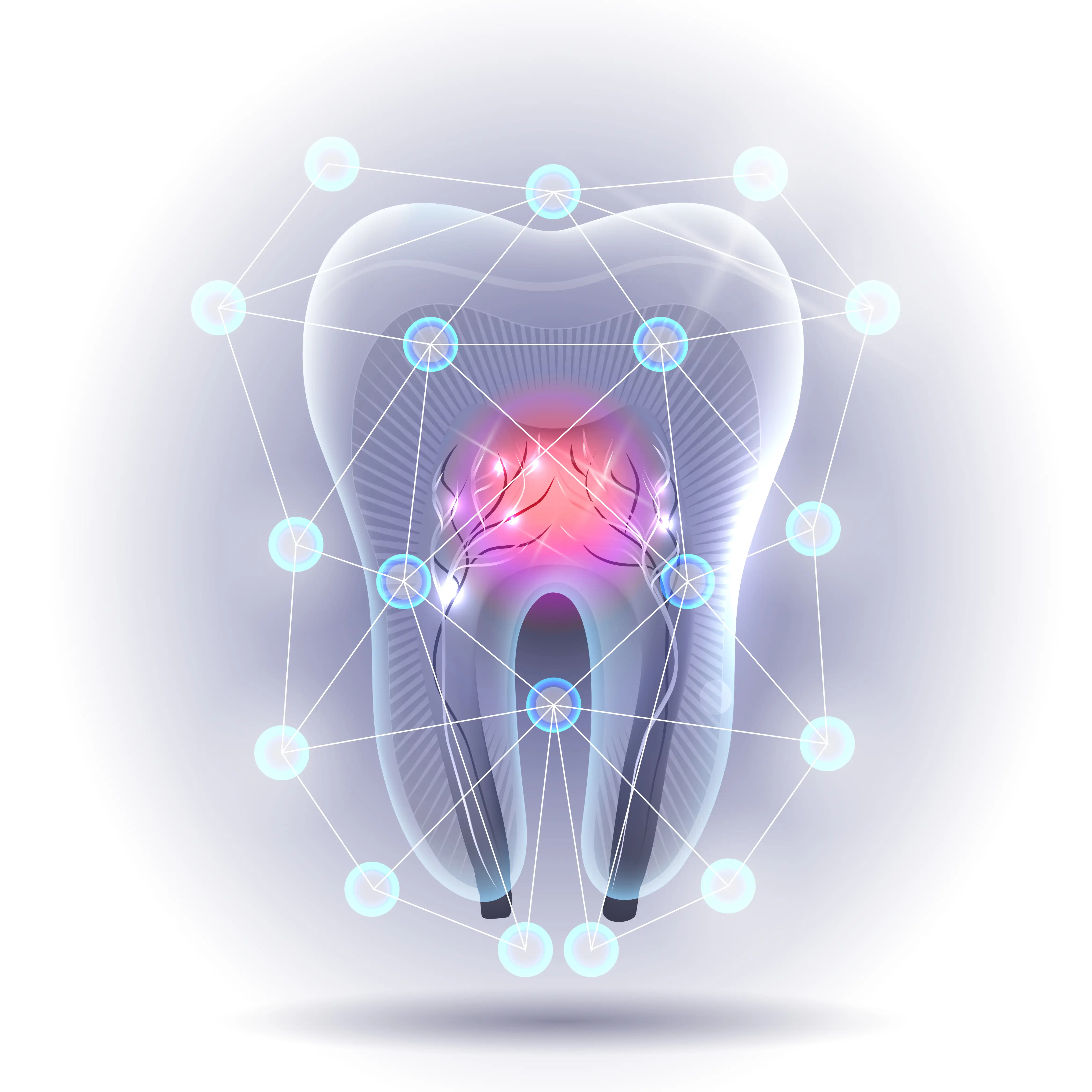
Neuropathic pain resulting from dental origins can present with complex, overlapping symptoms across trigeminal nerve branches, complicating diagnosis and management. This case involves a patient presenting with burning pain radiating from the left buccal area to the mandible, accompanied by percussion sensitivity in the left maxillary second molar. Examination revealed pus discharge from the distal periodontal pocket and a low-level impacted left mandibular third molar close to the inferior alveolar canal. Initial infection resolved with antibiotics, but pain persisted. Neuropathic pain influencing the trigeminal nerve's third branch was diagnosed, with sensitization of the second branch suspected.
Pregabalin treatment led to initial symptom relief, and the third molar was surgically removed. One month post-extraction, the patient experienced recurrence of burning pain and gingival allodynia. Pregabalin was reinitiated but was ineffective; amitriptyline was added, resulting in pain relief. This case highlights the potential for chronic dental infection to cause peripheral nerve sensitization and neuropathic pain. Early recognition of such atypical causes is fundamental for prompt and effective management. Clinicians must consider a thorough dental assessment in patients presenting with unexplained trigeminal pain.
A 57-year-old female initially presented with persistent discomfort in the left buccal region. She was detected with caries in the left maxillary second molar and received pulpectomy, which led to symptom resolution. However, 6 months later, she developed recurrent pain in the same tooth accompanied by a burning sensation radiating from the left buccal area to the mandible. Seeking further evaluation at another dental clinic, she was detected with left mandibular pericoronitis.
Clinical examination revealed purulent discharge from the left mandibular second molar's distal periodontal pocket, and antibiotic therapy was initiated. Despite the resolution of the pus discharge and improvement of signs of pericoronitis in the mandibular third molar within a month, the burning pain in the mandibular region persisted. Additionally, the dull aching in the left maxillary second molar remained unchanged despite re-treatment with root canal therapy, suggesting a more complex pain mechanism beyond routine dental pathology.
Introduction
Nerve damage from procedures like tooth extraction or dental implant placement is a key contributor to neuropathic pain in the orofacial area. The reported rates of such pain are around 0.38% after wisdom tooth removal and 0.3% following dental implants. As per the International Association for the Study of Pain, neuropathic pain stems from injury or dysfunction compromising the somatosensory system. While standardized diagnostic criteria exist, clinical observations remain fundamental for identifying cases of "possible" neuropathic pain.
Neuropathic pain is categorized by its cause or the affected anatomical area. In cases related to acute inflammation, it differs from trauma-related neuropathic pain by initially arousing severe pain followed by progressive sensory disturbances. Key symptoms encompass spontaneous burning pain, touch-induced hypersensitivity (mechanical allodynia), and repeated aching. It's important to distinguish these features from the dull or acute pain seen in ailments like mandibular osteomyelitis, especially near the molars, to ascertain accurate diagnosis and effective care.
The mechanisms behind neuropathic pain in the orofacial region—such as trigeminal neuralgia and allodynia—are believed to involve neuroplastic alterations in the trigeminal ganglion, trigeminal spinal subnucleus caudalis, and cervical spinal cord segments (C1/C2). Impairment to the trigeminal nerve triggers activation and accumulation of non-neuronal cells. This includes satellite glial cells and macrophages in the trigeminal ganglion and glial cells such as astrocytes and microglia in the trigeminal spinal subnucleus caudalis and upper cervical cord. These cells release pro-inflammatory and excitatory mediators that amplify nociceptive signaling.
Activated neurons then release molecules that further provoke glial activity, creating a cycle of persistent hyperexcitability and neuroinflammation across these regions. To confirm neuropathic symptoms, clinicians must evaluate sensory features such as pain following nerve pathways, a history suggestive of nerve impairment, sensory issues like allodynia, and imaging results. Crucially, treatment must begin promptly—even when neuropathic pain is only suspected—to improve outcomes, regardless of whether all diagnostic signs are present. Prompt recognition of neuropathic characteristics can support early intervention and optimize healing outcomes.
Medical History
There was no relevant medical or family history.
(a) Persistent burning pain extending from the mandible's left buccal region
(b) Dull pain localized to the left maxillary second molar
(c) Persistent gingival allodynia in the same area, scoring 6 on the Numerical Rating Scale (NRS).
Discussion
In the present case, the patient initially presented with suspected pericoronitis (inflammation and infection of the gum tissue around wisdom teeth) involving the left mandibular third molar. This was treated with antibiotics, which successfully ameliorated the local inflammation. However, persistent burning pain radiating from the left buccal area down to the mandible suggested an alternative diagnosis. This pattern indicated inflammation-triggered neuropathic pain likely affecting the mandibular division (V3) of the trigeminal nerve.
Peripheral neuropathic pain frequently occurs due to sensory nerve damage or degeneration and can manifest as spontaneous pain or heightened sensitivity to stimuli. The function of sensory neurons is also impacted by surrounding glial cells and their microenvironment. Previous research has identified inflammatory cell infiltration in both the epithelial and vascular components of nerve biopsies from individuals experiencing postoperative neuropathic pain. In this instance, the patient also suffered dull pain in the left maxillary second molar, which flared concurrently with the burning pain in the mandibular region. Interestingly, only the dull maxillary pain responded to local anesthetic.
This denoted that the discomfort may have stemmed from referred neuropathic hypersensitivity rather than a localized dental cause. This cross-sensitization from the mandibular (V3) to the maxillary (V2) division of the trigeminal nerve supports existing literature, including research conducted by Tseng et al., showing that injury to one trigeminal branch can sensitize other branches in animal models. Persistent pain may be driven by both heightened excitability of injured neurons and secondary sensitization of adjacent, uninjured nerve fibers.
While neuropathic pain after dental procedures such as mandibular third molar extraction has been noted in 0.38% to 5.0% of people, there appear to be no prior clinical reports linking pericoronitis with inferior alveolar nerve-related neuropathic pain extending to other branches of the trigeminal nerve. This case seems to be the first to document such a presentation. Despite the diagnostic complexity due to overlapping symptoms and multifactorial pathophysiology, timely diagnosis and treatment were achieved.
Later in the clinical course, the burning pain relapse in the mandible and allodynia in the gingiva near the left maxillary second molar suggested that surgical incitement of the mandibular nerve during tooth extraction could have triggered an episode of acute traumatic neuropathic pain. This pain subsequently sensitized the maxillary nerve. Although possible contributions from residual nociceptive pain—such as those due to root canal instrumentation, retained pulp tissue, perforation, or fractures—cannot be completely excluded, the overall clinical trajectory pointed towards an exacerbation of prior inflammation-instigated neuropathic pain.
This was likely deteriorated by procedural trauma, long-standing pain memory, and emotional distress, culminating in a complex and chronic pain condition. Parallels can be drawn with other neuropathic pain syndromes, such as post-mastectomy pain syndrome (PMPS), where prolonged pain and numbness are observed in up to 60% of patients after breast surgery. The underlying mechanisms in PMPS often involve neuropathic origins compounded by adjuvant therapies like chemotherapy or radiotherapy and psychological stress about cancer recurrence. In the present case, emotional and memory-processing centers in the brain—such as the hippocampus and amygdala—may have contributed to the persistence and recurrence of pain via negative emotional modulation.
According to current guidelines by the National Institute for Health and Care Excellence (NICE) and the Neuropathic Pain Special Interest Group, the first-line pharmacological therapies for neuropathic pain are duloxetine (serotonin-norepinephrine reuptake inhibitors [SNRI]), amitriptyline (tricyclic antidepressant), and pregabalin (gabapentinoid). Among these, pregabalin is often preferred owing to its minimal drug-drug interaction profile, predictable dose-response, and linear pharmacokinetics. Doses between 150–600 mg/day have illustrated efficiency with a number needed to treat (NNT) ranging from 6.5 to 9.4. Amitriptyline, used in doses between 25–150 mg/day, has exhibited moderate effectiveness with NNT values between 3.0 and 4.4. In this case, pharmacologic treatment with these agents led to clinical improvement.
One limitation in management was the absence of prophylactic strategies to prevent neuropathic pain recurrence post-extraction. Notably, venlafaxine (an SNRI) has shown potency in preventing chronic post-surgical neuropathic pain, such as PMPS, when used preemptively. Given the patient’s history of neuropathic symptoms, initiating preventive therapy before surgery might have curtailed the likelihood of symptom recurrence. Additionally, incorporating quantitative sensory testing could have offered an objective measure of the patient’s pain sensitivity and helped monitor progression over time.
Learning
Cureus
Trigeminal Neuropathic Pain With Complicated Pathophysiology Caused by a Low-Level Impacted Mandibular Third Molar: A Case Report
Yoko Kudo et al.










Comments (0)