

Categories
Change Password!
Reset Password!


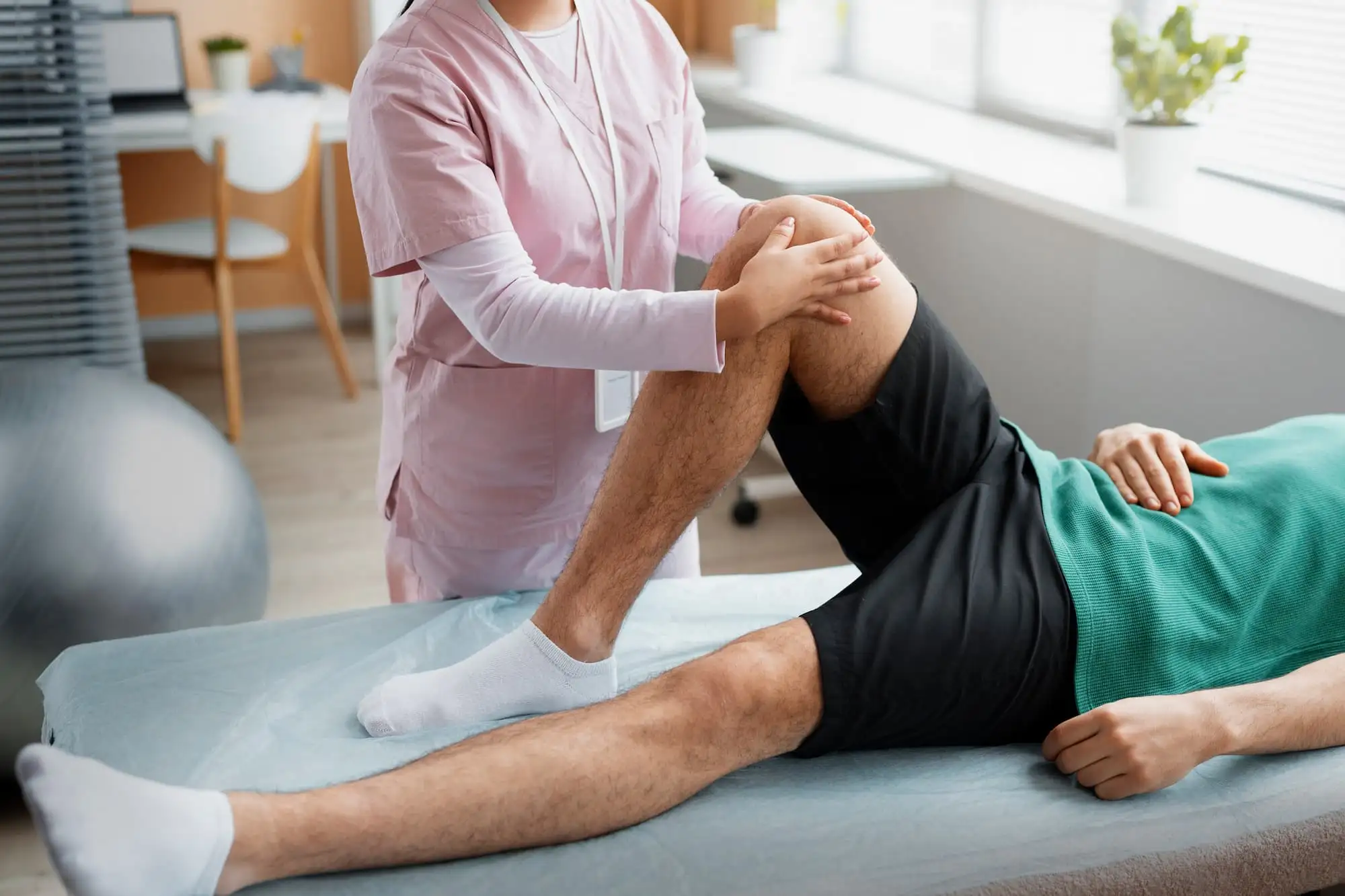
Combining neuromuscular exercise with pain neuroscience education may help “reset” the body’s pain processing mechanisms—offering lasting relief from chronic pain after total knee replacement.
Chronic pain remains a significant hurdle for patients even after successful total knee arthroplasty (TKA), with approximately 15%–20% continuing to experience persistent pain. While the exact mechanisms behind this long-term pain are not fully understood, increasing evidence points toward central pain sensitization and psychosocial influences.
A study led by Jesper Bie Larsen et al. provides new evidence that combining neuromuscular exercise with pain neuroscience education (PNE) can successfully reduce pain sensitization in individuals suffering from chronic post-TKA pain. This investigation was a secondary assessment of a trial involving 69 patients who continued to experience chronic pain at least 1 year following TKA. All the subjects reported an average daily pain severity of ≥4 on a numerical rating scale (NRS). The enrolled participants were randomly segregated into one of two groups:
Numerous key indicators of pain processing and psychological response were measured, including:
At the 12-month follow-up, researchers noted a substantial between-group difference in the alteration from baseline for TSP at the index knee, favoring the neuromuscular exercise + PNE group (–1.45; 95% confidence interval –2.48 to –0.42). This indicates that those who received both neuromuscular exercise and PNE exhibited less temporal summation of pain, suggesting improved central pain modulation and reduced pain amplification. No prominent differences were observed between groups for other outcome measures, such as PPT, CPM, or psychosocial scores. These results suggest that integrative rehabilitation strategies targeting both physical function and pain cognition may assist improve long-term outcomes for post-TKA patients.
European Journal of Pain
Pain Mechanisms and Psychosocial Variables in Patients With Chronic Pain After Total Knee Arthroplasty: Secondary Analysis From a Randomised Controlled Trial
Jesper Bie Larsen et al.












Comments (0)